2017年2月28日星期二

Lymphoma Symptoms

Lymphoma Symptoms

lymphoma, symptoms of lymphoma

Lymphoma is a malignancy of immune system can develop in any part of body. It usually appears as a solid tumor in the organs rich in lymphatic tissues and tends to encroach on lymph nodes, tonsil, spleen and bone marrow. It is easily ignored because of insidious symptoms. But the survival rate can highly improved if its symptoms are noted in early stage and take treatments in time. Therefore, it is necessary for us to know some symptoms of lymphoma.
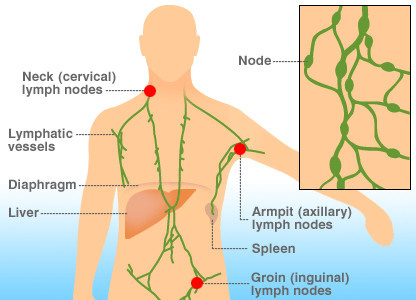
1、 The most typical symptoms of lymphoma are painless superficial lymph nodes, which grow gradually with smooth surface and in the hardness like nasal tip. Swelling lymph nodes are most commonly occurring in neck and supraclavicular regions, after that are in armpits and inguens. Some cases would mainly present the symptom of swelling lymph nodes deep in body, for example, swelling lymph nodes in mediastinum, abdominal cavity and pelvis. Those cases come with an insidious onset that when the patients are diagnosed lymphoma, the swelling lymph nodes deep in body normally are every obvious to note.
2、Progressive swelling lymph nodes may affect or press on tissues or organs around and cause correspondent symptoms. For example, when superior vena cava is pressed by the swelling lymph nodes in mediastinum would block blood backflow to cause swollen face and neck, chest distress, chest pain or difficult breath and so on. If the swelling lymph nodes of pelvis and abdominal cavity press on gastrointestinal tract, ureter or bile ducts etc. would lead to intestinal obstruction, hydronephrosis, jaundice, which may also come with abdominal pain and distention.
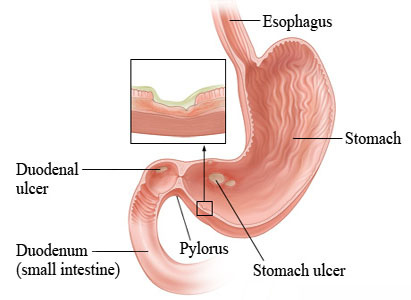
3、Expect lymphatic system, lymphoma can also encroach on other organs and present correspondent symptoms. For instance, gastrointestinal lymphoma would show the symptoms like abdominal pain, gastrointestinal ulcer, bleeding and oppression etc., which are same as stomach diseases and intestinal cancer do. Lymphocytoma cutis is normally mistaken as psoriasis, eczema and dermatitis. If the tumor develops in brain, headache, blurring vision, disturbance of speech, unconsciousness, and change in disposition, dyskinesia of limbs or whole body, and even paralysis in severe cases. When tumor invades bones can lead to pain or fracture of bones, and if in nasopharynx may develop symptoms like nose obstruction, running nose, nasal bleeding, which are similar to the ones of nasopharyngeal cancer.
4、Lymphoma is a general disease, except the above symptoms, fever, night sweat, acratia, emaciation, loss of appetite, rash, itching, anemia and other systematic symptoms may develop in more than 50% patients. From this, superficial lymphoma comes with obvious symptoms that are easy to find early. But for the lymphoma develops deep in body, it is difficult to note because concerning symptoms would occur when the tumor is large enough.

Specialist from Modern Cancer Hospital Guangzhou reminded that, some diseases may also present the symptoms mentioned above, a patient may not suffer from lymphoma once these symptoms occur and should go to hospital for examinations in time. Then if a patient is diagnosed lymphoma, timely treatments can perform to improve therapeutic effect and living quality.

Esophageal Cancer Symptoms

Esophageal Cancer Symptoms

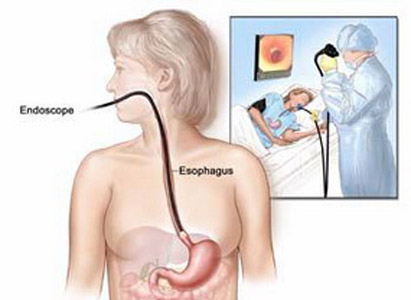
Esophageal cancer is a malignant tumor formed by the abnormal proliferation of the esophageal squamous epithelium or glandular epithelium. As one of the common malignant tumors in the digestive system, the incidence of esophageal cancer has been increased year by year. What are the symptoms of esophageal cancer and how to detect esophageal cancer as early as possible?
Esophageal Cancer Symptoms

Early stage esophageal cancer has no obvious symptoms but shows some nerve irritations occasionally. With the development of the disease, the frequency of esophageal cancer symptoms will increase, which including foreign body sensation, difficulty and pain in swallowing. However, since the early symptoms of esophageal cancer are not obvious, it is easy to be overlooked and then leads to delayed treatment.

Five common symptoms of esophageal cancer

Symptom 1: Discomfort or mild pain in the retrosternal region
This symptom does not occur continuously, but happen intermittently and after exertion or fast eating. This is because the esophagus is peristaltic any time, so the symptom occurs only when it creeps to the lesion.
Symptom 2: Foreign body sensation during swallowing
During the swallowing process, it will probably produce foreign body sensation when food, especially hard and dry food, goes through the lesion area. And this sensation usually happens in a fixed site. However, it is easily overlooked because of the characteristic of mild symptoms and intermittent occurrence.
Symptom 3: Slowly swallowing and detained feeling
The symptom mainly manifests a detained feeling when patients are swallowing. It doesn’t occur continuously either, but clear up gradually with the development of the lesion.
Symptom 4: Chest stuffiness and tightness
This symptom is often accompanied by throat dryness. Patients mainly complain of chest stuffiness and tightness, which feels like there are some objects clogging in the chest. It will be more obvious when patients are swallowing, while does not affect their normal life and work.
Symptom 5: Distension and mild pain in the upper abdomen, precordial region and xiphoid process
This symptom is more obvious when patients are ingesting dry and hard food, while it is not occurred every time but intermittently.

Experts from Modern Cancer Hospital Guangzhou remind that if any suspected esophageal cancer symptoms is found, one should go to a regular hospital for examination promptly.

2017年2月27日星期一

Kidney Cancer Symptoms

Kidney Cancer Symptoms

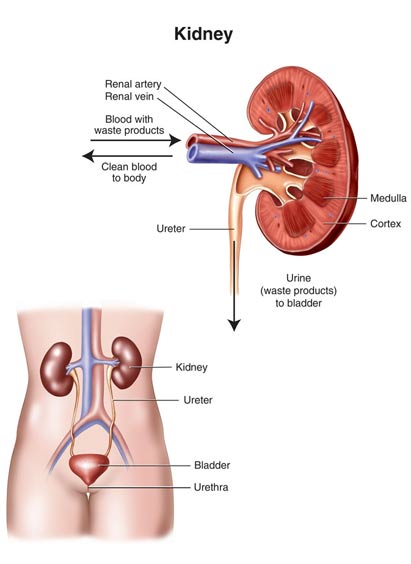
Different manifestations of kidney cancer are caused by different reasons. Clinically, the symptoms are usually the most direct reflection of kidney cancer, which do great help to the diagnosis and treatments. Concerned about kidney cancer symptoms is critical important to the judgment and treatments of kidney cancer patient's condition.
The chief complaints and clinical manifestations of kidney cancer patients are changeable, so it is easily to be mistaken as other diseases. Since the hidden kidney position, the main perceivable sign of kidney cancer is urine. Hematuria or bloody urine is the most common symptom of kidney cancer, but which usually appear only after the tumor invades to the pelvis. In some words, bloody urine is not an early symptom of breast cancer.
No obvious symptoms: At present, more than 40% of the kidney cancer patients are accidentally found in physical examination or other regular medical tests since there are no obvious signs or symptoms in the early stage. However, the prognosis of majority of early stage kidney cancer patients is very good. Therefore, regular medical check-ups are very important.
Typical local symptoms: Hematuria or bloody urination, pain and lumps are three main symptoms of kidney cancer. Most of the patients may show 1 to 2 symptoms when they are diagnosed, very few people would have all the three symptoms, which may only accounting for about 10%.
Bloody urination: When bloody urination occurs, there is no sense of pain, and the outbreak is intermittent but visible by naked eyes. The intermittence will be shortened with the development of the cancer. A great amount of bleeding may be associated with renal colic.
kidney cancer, kidney cancer symptoms

Pain: Pain, met in 50% of the cases, is also an advanced symptom of kidney cancer. It appears due to the gradually compression of the growing tumor to the renal capsule or renal pelvis. Or persistent waist dull pain caused by the invasion of tumor to the surrounding organs and psoas.
Lump: lumps are also a common symptom of kidney cancer. Enlarged kidneys can be seen in about 1/ 3 to 1 / 4 kidney cancer patients when they see a doctor. Due to the hidden position of kidneys, the lumps are very difficult to find before growing to a certain volume. When the mass is palpable in abdomen, the patients have usually been in the advanced stage.
Systemic manifestations: Commonly, 10% to 40 % of the patients may accompany with paraneoplastic syndrome, which may manifest as high blood pressure, anemia, weight loss, cachexia, fever, polycythemia, abnormal liver function, hypercalcemia, hyperglycemia, elevated ESR (erythrocyte sedimentation rate), or neuromuscular pathological changes. About 2% to 3 % of the cases could show varicocele of the spermatic vein or abdominal wall varices.
Metastatic symptoms: Approximately 10% of the patients visit the doctor because of a metastatic symptoms and 30% of the newly diagnosed cases show metastatic signs. Metastatic symptoms of kidney cancer can be bone pain, fracture, cough and spitting of blood.

Experts from Modern Cancer Hospital Guangzhou remind you that the clinical manifestations of kidney cancer are changing individually. If you are happening to the above symptoms, consult a professional doctor in a timely manner and do necessary examinations as soon as possible.

Bone Cancer Symptoms

Bone Cancer Symptoms

Bone cancer is the generic name of malignant bone tumors. Bone cancer includes giant cell tumor of bone, osteogenic sarcoma, chondroma sarcomatosum, multiple myeloma and so on. There are many factors that lead to bone cancer, and the symptoms of bone cancers may differ from each other as per the difference of categories. Here cancer experts of Modern Cancer Hospital Guangzhou would like to introduce the causes and symptoms of bone cancer.
Bone Cancer Symptoms

What Are the Causes of Bone Cancer?

The causes of bone cancer have not been completely defined. In the past, it is believed that chronic slight damage and chronic infection may cause bone cancer. Meanwhile, over growth of bone, chronic inflammation stimulation, genetic factor, special viral infection, blocked blood recirculation inside the bone or radioactive ray irradiation may be related with bone cancer.

What Are the Symptoms of Bone Cancer?

1. Bone surface of bone cancer patients may emerge a solid lump: some may feel pain; while some may not;
2. Bone cancer patients may suffer from pathological fracture or deformation of bone;
3. Bone cancer patients may get fever or suffer from weight loss, exhaustion, decrease of locomotor activity and so on;
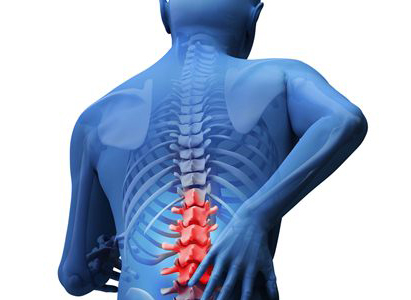
4. Bone cancer patients may suffer from continuous or un-explanatory back pain;
5. Bone cancer patients may suffer from one or multiple fracture without obvious reasons;
6. Because tumor oppresses nerves or blood vessels, this may cause insensible feeling of distant end of extremities of bone cancer patients;
7. Bone cancer patients may feel pain or swelling in bone or joint, and at night the pain may get worse and manifests as continuous dull pain or temporary pain when pressed.

Bone cancer experts of Modern Cancer Hospital Guangzhou remind: hope family members pay more care to bone cancer patients and help them to build the confidence to fight the cancer with good emotion status.

Pancreatic Cancer Symptoms

Pancreatic Cancer Symptoms

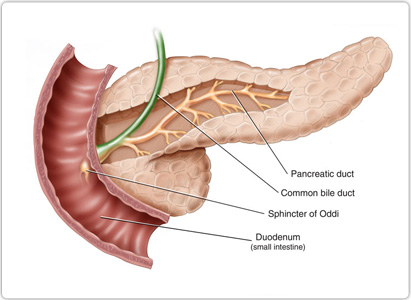
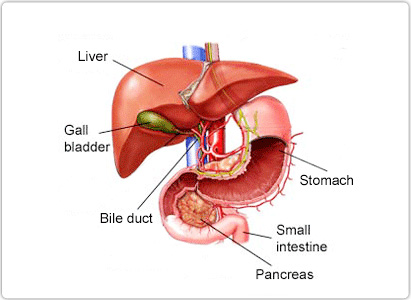
Pancreatic cancer is one of the malignant tumors in the digestive system with high incidence rate, but many patients do not know the symptoms of pancreatic cancer thus they cannot find the cancer in time, missing the best treatment time. Symptoms of pancreatic cancer in each stage differ, so any symptom should not be ignored and if the symptoms become significant, the cancer is very likely to be the advanced stage. Then what are the symptoms of pancreatic cancer?
Pancreatic Cancer Symptoms

Early Symptoms

There are no significant symptoms in the early stage.

Middle and Advanced Symptoms

1. Abdominal pain: it is more common in carcinoma of pancreatic body and carcinoma of pancreatic tail, usually occurring on the upper abdomen, navel around or right upper abdomen, manifested as gripping pain, intermittent or continuous, gradually aggravated dull pain. The pain intensifies when lying down and at night, but it will ease when sitting, standing, leaning forward or walking.
2. Loss of weight: approximately 90% of patients experience rapid and significant development of weight loss, while it will often be accompanied by dyscrasia in the advanced stage.
3. Jaundice: It may occur in middle and advanced stage. Jaundice is often continuous, gradually deepened. When tumor completely blocks bile ducts of the liver, stools lose their brown color, becoming a pale, clay color. Skin becomes yellow (brown or bronze), accompanied by itching.
4. Weakness and loss of appetite: they are relatively common and gastrointestinal symptoms such as nausea, bloating, and nausea can be accompanied. In some cases there may be steatorrhea and hyperglycemia (high blood sugar), glycosuria.
5. Some patients with pancreatic cancer may develop anxiety, depression, sleeplessness, personality change, etc.
6. Fever: it may occur in at least 10% of patients with middle and advanced pancreatic cancer and fever may be manifested as low heat, high fever, intermittent fever or irregular heat, which may be related to pyrogen released by cancer cell itself or secondary infection of biliary tract.

Experts from Modern Cancer Hospital Guangzhou remind you that if the symptoms mentioned occur, you should go to regular hospital for check and treatment at the first moment.

Liver Cancer Symptoms

Liver Cancer Symptoms

At early stage, symptoms of liver cancer are not obvious. Mostly, symptoms can be detected at an advanced stage. In daily life, many patients ignore early symptoms and they are told that they are advance level cancer patients when they realize. Then what are symptoms of liver cancer?
Liver Cancer Symptoms

Signs of Liver Cancer:

1. Hepatalgia: Continuous dull pain in hepatic region of right upper quadrant is an important and the most frequent symptom of primary hepatic carcinoma. It is caused by rapidly increasing liver which make liver capsule tense or by malignant tumors’ violation of liver capsule or peritoneum. It can be continuous dull pain or gas pain. When malignant tumors violate diaphragma, patient will feel pain in right shoulder or right back. Tumors growing toward rear right can cause pain in right waist. When cancer nodules rupture, necrotic cancer tissues and blood flow into abdomen. Then patient suffers severe abdominal pain. Symptoms and signs of peritonitis appear.
2. Hepatomegaly: It is the most frequent sign of primary liver cancer. Liver is increasing swelling, solid with uneven surface. Different-size tubercles or lumps cause local eminence, untidily borderline with tenderness.
3. Jaundice: One third of patients suffer it. Mostly, it occurs at an advanced stage liver cancer. And it is caused by damage of liver cells or by malignant tumors which press bile duct.
4. Fever: In general, patient suffers low-grade fever, occasionally above 39℃. It can be continuous low-grade fever or irregular hyperpyrexia. The reason is that organism absorbs a large quantity of damaged tumor tissues. Or it may be result of cholangitis or concurrent infection caused by malignant tumors pressing bile duct.
5. Alimentary canal and general symptoms: Decreased food appetite, dyspepsia, nausea, emesia, diarrhea, acratia, maciei, asthenia universalis and cachexia.
6. Symptoms of metastasis: Relative symptoms appear when liver cancer with metastasis to stomach, bone, pelvis cavity and brain. For example, pulmonary metastasis cause cough and emptysis; pleural metastasis cause chest pain and bloody hydrothorax; osseous metastasis cause local pain or pathologic fracture; metastasis to spinal column or press spinal nerves can cause local pain and paraplegia; Brain metastasis can cause headache, emesis and signs of nerve localization.
7. Other symptoms: Endocrine syndrome or metabolic endocrine, also called syndrome associated with cancer, are caused by abnormal metabolism in malignant tumors.
(1) Spontaneous hypoglycemia: 10% to 30% of patients suffer it. It is caused by liver cells secreting insulin or insulin-like substance not only in pancreatic islet. It is also caused by hepatocellular carcinoma tissue consuming too much glucose. Sever patients may hepatocyte, shock even die.
(2) Globulism: 2% to 10% patients suffer it. It is caused by increasing haemopoietin in circulation.

(3) Others: There are also hyperlipemia, hypercalcinemia, carcinoid syndrome, gonadotrophins syndrome, skin porphyria and dysfibrinogenemia. These symptoms may be related to synthesis of paraprotein, dystopia endocrine seretion and porphyrin metabolism disorder in liver cancer tissue.

Colorectal Cancer Symptoms

Colorectal Cancer Symptoms

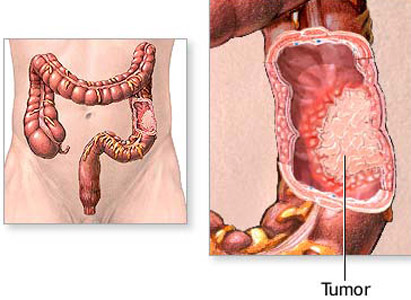
Colorectal cancer is the most common malignant tumor in the gastrointestinal tract and its incidence rate is only second to stomach cancer and esophageal cancer. Most of patients with colorectal cancer are over 40 years old and those who are under 30 accounts for 15%, besides, male patients are more commonly seen. In spite of high incidence, people know little about the symptoms of colorectal cancer, so cancer experts from Modern Cancer Hospital Guangzhou will introduce them as following:
Colorectal Cancer Symptoms

Main Symptoms Of Colorectal cancer

Normally colorectal cancer in early stage would mainly present the symptom of painless stools with blood and the blood is red or fresh, which is similar to the symptom of early internal hemorrhoid.
After that is the change in bowel movement. Some patients develop constipation and diarrhea while some would have tenesmus. Patients would defecate mucopurulent and bloody stools, at the same time the shape of stools become slender.
Apart from this, stenosis of bowel cavity occurs because of cancer infiltration around bowel wall. If this occurs in juncture of rectum and sigmoid colon, the cancer mostly is scirrhus of stenotic type, from which can cause bowel obstruction and irritation and so on.
When colorectal cancer develops to late stage, the blood in stool changes to dark red and the stools present mucous bloody stools or bloody purulent stools.

Besides the symptoms mentioned above in late stage, colorectal cancer also encroaches on tissues and organs around like bladder and prostate to cause frequency, urgency and difficulty of urination. A patient can even develop pain in sacral and waist when the cancer attacks lumbosacral plexus.

Nasopharyngeal Cancer Symptoms

Nasopharyngeal Cancer Symptoms

Nasopharynx is quite a concealed part of our body. Symptoms of early nasopharyngeal cancer usually are not obvious. They often appear as stuffy nose, nose bleeding, headache and tinnitus, which are easy to be neglected. Therefore, many patients fail to have early diagnosis and are found in advanced stage when visiting the hospital. This brings great difficulty to treatment.
Nasopharyngeal Cancer Symptoms

Common symptoms of nasopharyngeal cancer

1. Nose bleeding: nose bleeding is one of the early symptoms of nasopharyngeal cancer. It usually appears as bleeding in a single nostril or with blood in nasal discharge. As the blood is few, it is easy to be neglected and mistaken as rhinitis or nasosinusitis.
2. Stuffy nose: stuffy nose is another early symptom of nasopharyngeal cancer. It usually appears as stuffiness in a single nostril. The stuffiness is mild when the tumor is small, but it becomes severer and appears in both nostrils as the tumor grows.
3. Tinnitus, decrease of hearing: Tinnitus, muffled hearing and decrease of hearing also are early signs of nasopharyngeal cancer. They are caused when the excrescence of the nasopharyngeal cancer blocks the eustachian orifice near the lesion. Hearing decrease also is likely a result of hearing nerve injury, which is caused by the deterioration of nasopharyngeal cancer. Tinnitus and hearing decrease are always misdiagnosed as otitis media or other diseases, and therefore, treatment is delayed.
4. Headache: about 70% nasopharyngeal cancer patients have headache, which usually appears as migraine. In the early stage, the location of headache is not fixed. It is occasional but can be the first or the only symptom that occurs. Headache caused by nasopharyngeal cancer is mainly a result from the cancer tissue’s invading to skull base, nerves and blood vessels.
5. Mass in the neck: nasopharyngeal cancer metastasis to the neck causes few masses, but they grow rapidly, with solid texture, poor activity and no compressive pain.
6. cranial nerve symptom: besides facial numbing, diplopia, blur vision, eyelid ptosis, cross eye, nasopharyngeal cancer can also cause loss of sensation in the throat, numbing in the soft palate, difficulty in swallowing, hoarse and tongue skew, etc.

Experts from Modern Cancer Hospital Guangzhou remind that if any of the above symptoms occurs, one should go to regular hospital immediately for examination and diagnosis to exclude nasopharyngeal cancer.

Lung Cancer Symptoms

Lung Cancer Symptoms

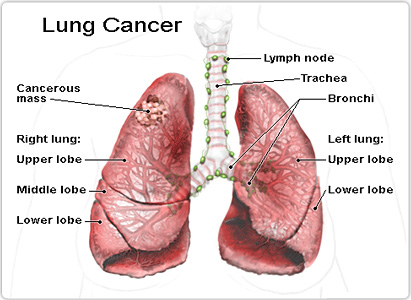
The number of people with lung cancer is increasing every year, so to identify the symptoms of lung cancer is conducive to its treatment. Currently, lung cancer is one of the most common primary malignant tumors of lung, which mostly originates in bronchial epithelium, so lung cancer can also be called bronchial lung cancer.
Lung Cancer Symptoms

Early Stages Symptoms

There are usually no symptoms or warning signs in the early stages, thus it is easily ignored, resulting in delay of treatment.

Common Symptoms of lung cancer

1. Cough: there are about two thirds of patients have cough, which is the most common symptom of early lung cancer. It can be manifested as mild dry cough, severe cough, cough with high frequency or cough at night.
2. Hemoptysis (Coughing up blood): it is also a symptom of early lung cancer and it is more obvious in male smokers. It is manifested as coughing up phlegm with blood or intermittent bloody sputum, and having repeated infections somewhere in the region of lungs.
3. Chest pain: it is a symptom in about 30 percent of people with lung cancer. If the tumor is close to lung membrane, the pain can be dull or vague and cough intensifies when breathing or coughing. If cancer has invaded lung membrane, persistent pain can be caused.
4. Fever: fever due to lung cancer is a kind of cancerous heat which is mostly caused by inflammation that tumor blocks bronchus of lung, causing inadequate drainage. The fever is generally below 38 degree, ineffective to antibiotic treatment, and tends to develop repeatedly.
5. Chest distress and shortness of breath: they are most common symptoms of early lung cancer. They usually result from a blockage to the flow of air in part of the lung, collection of fluid around the lung (pleural effusion), or the spread of tumor throughout the lungs.
6. Clubbed finger: known as drum hammer finger, it is manifested as enlargement of the first joint of fingers and toes, protruded and curved of nails, and pain. If you find yourself having those signs, you need to pay attention to prevent lung cancer.
7. Arthritis: it is manifested as wandering and burning pain of the joint of elbow, knee, ankle, wrist, and finger, inability to use the hand or walk.

Experts from Modern Cancer Hospital Guangzhou remind: once these suspected symptoms of lung cancer are found, you should go to regular hospital for further check and treatment.

General Symptoms of breast cancer

General Symptoms of breast cancer

1. Breast cancer patients in early stage are not able to touch clear lumps, but often accompanied with local discomforts. This situation happens very often specially in women after menopause.
2. Early stage breast cancer patients can reach bean-size masses in their breast grand, which are hard and movable but with no significant pain, while a few patients might bear intermittent pain or pricking pain.
3. Change of the breast shape. Visible skin bulge can be seen in the mass region, local orange peel -like skin, edema, and even discoloration may appear in some cases.
4. Nipples in the center are associated with nipple retraction; breast skin is accompanied with mild depression, nipple erosion, nipple asymmetry, skin thickening, coarsening, and enlarged pores.
5. Axillary lymph nodes swelling. Swelling in ipsilateral axillary lymph nodes is most commonly seen, while swelling in the supraclavicular lymph nodes has fallen into the advance stage.

Early Symptoms of Breast Cancer

The symptoms that have been listed make up the majority of the early symptoms of breast cancer. The first thing that is often noticeable is the lump or mass in the breast. This is one of the major indicators of breast cancer which is found in the early stage. It is possible that a lump will form in the armpit area as well. Other skin and nipple related symptoms are also common in the development of the breast cancer also but they may not be so noticeable in the early stages. Keep in mind that the early symptoms of breast cancer may also be experienced as a result of other health problems so you should not assume the diagnosis based on these symptoms occurring.
Breast Cancer Symptoms

It is a good idea for all women to do breast exams at least once a year. You can get this done by your doctor or attempt it on your own. Make sure that you know exactly what you are looking for. Early symptoms of breast cancer may go unnoticed but when examining the area they are relatively easy to Early. The lump should be noticeable and prominent from the surface of the skin. If there is any change in the texture and appearance of your breast skin or nipples then this should also be easy to notice. If you keep examining your breasts on a regular basis then it will be easier to identify when there has been any change to it.
Regular breast examination can help to detect early symptoms of breast cancer and achievebetter treatment results.

Symptoms of Breast Cancer in Women

Symptoms of breast cancer in women vary slightly . If you are a woman you may expect to experience breast lump and changes of the skin and nipples in your breast area. There may be other symptoms that could be experienced aside from this as well though. You can look for a full list of breast cancer symptoms but this has covered the majority of the common symptoms that are likely to be noticed by female patients with this type of cancer.

Symptoms of Breast Cancer in Men

There are some similarities in the symptoms of breast cancer in men and women but there are a few differences that are more likely to be noticed by male patients. In many cases In many cases, it is commonly to see firm patches under the nipple area of the skin. This may be a major symptom that is experienced by the male and different from females. It is possible that symptoms of breast cancer in men will include various types of changes to the skin and nipples as well. In most instances of breast cancer the symptoms are only usually noticed in a single nipple. Also, if the breast cancer has spread then you may experience other symptoms such as bone pain, weight loss, and general weakness.

The symptoms of breast cancer are mostly to do with the breast skin and nipples. If the cancer spreads then symptoms may be noticed throughout the body as well. When the cancer is in its early stages the symptoms are typically restricted to the breast area though.Even though these symptoms may not be able to find at the first look they are still relatively easy to be detected if you examine the area. Ultimately, there are numerous symptoms of breast cancer and it is important if you can get timely examinations and effective treatments. So, visit a doctor timely when any abnormal symptoms are found.

2017年2月23日星期四

Colon Cancer Treatment

Colon Cancer Treatment

Colon cancer impacts much to patients. At present, surgeries, chemotherapies and cell immunity, etc. can advance patients’ living treatment and reduce impact on patients to make a better recovery and faster free from disease.
Colon Cancer Treatment

Traditional Theapies

Surgery
It emphasizes firstly resection. But pre-resection combined treatment like chemotherapy and radiotherapy has to be linked to increase resection rate and survival rate and lower recurrence rate after resection.
Chemotherapy
Metastasis and recurrence could occur to almost half of the patients after surgery. Patients in terminal stage and after resection except parts of those in early stage should go through chemotherapy. Chemotherapy is another important method.
1.Systemic intravenous combined chemotherapy.It is mainly based on 5-FU affiliated with conditioner, FH4 to enhance effect of 5-FU
2.Chemotherapy by oral.It mainly refers to prodrug like fluoropyrimidine, which after absorption, can change to 5-Fluorouracil via once or multiple metabolization for anticarcinoma. Chemotherapy by oral has high clinical effect, less side effect, convenience, and availability for out-patient treatment. It is beneficial for elder tumor patients and home chemotherapy, which makes it a new, affiliated therapeutic trend.

New Technology –Cell Immunity Therapy

With development of new technologies, more therapeutic options have come true. Cell immunity therapy, the remarkable achievement of contemporary highly-precise and advanced medical sector, takes on prominent therapeutic effect.
Expert from Modern Cancer Hospital GuangZhou refers that cell immunotherapy is to treat tumor diseases by using TC-well-indentified and restrained immunocell, which is to cure diseases by their own cell. Generally, growth of immunologic cell will get restricted when TC is extending, so culturing immunologic cell outside the body, infuse into the body and finally kill TC systematically is necessary and required. Because of systemic treatment for tumor, and unobvious side effect, cell immunotherapy is presently the most effective and safest affiliated therapy.
Cell immunotherapy mainly is to extract immunologic cell (DC-CIK) in the body, culture it outside the body and reinfuse much to the body in order to regulate immunity functions, enhance antitumor capability, and completely kill tumor cell. Eventually cancer will be cured.

Advantages mainly cover two aspects:

Firstly, it is systemically increase immunity, not regionally.

Secondly, it can effectively and completely eliminate cancer cells, by which recurrence and resulted phenomenon of metastases can be avoided.

Bile Duct Cancer Treatment

Bile Duct Cancer Treatment

The treatment methods for bile duct cancer are various: In addition to the common chemotherapy or radiotherapy with surgery, special Chinese medicine treatments and bile duct cancer interventional therapy are also applicable. Hereby we would like to introduce these treatment options:
Bile Duct Cancer Treatment

1. Surgery of bile duct cancer

Surgical resection can obtain long-term survival chance for bile duct cancer patients and the principles for bile duct cancer treatment is that surgical excision is given the most priority as long as it is feasible; postoperative radiotherapy or chemotherapy is also given to stabilize and improve the treatment effect. The late unresectable cases shall be conducted with biliary drainage surgery to remove obstruction of biliary tract, control infection of biliary tract, improve liver function, reduce the complications, prolong life and improve the quality of life. Surgery of bile duct cancer is so complicated and difficult that it has become the most challenging operation among abdominal surgeries. The method for operation mainly depends on the tumor position of bile duct cancer.

2. Chemotherapy or radiotherapy of bile duct cancer

Bile duct cancer is not sensitive to radiotherapy and chemotherapy, because obstructive jaundice can be easily caused; if surgery is not applicable, stent implantation inside bile duct for radiotherapy (usually the conformal radiotherapy) won’t be a bad choice.
There are only a few chemotherapy drugs can impose certain curative effects to bile duct cancer: during operation, drugs would be intubated into hepatic artery lien drug pump catheter (subcutaneous buried pump) through the artery of stomach omentum; during postoperative period, medicines will be given through this pump. Radiotherapy shall be regarded as the auxiliary means used in surgery or for the cases that operation resection has no meaning.

3. Chinese medicines treatment of bile duct cancer

Chinese medicines treatments of bile duct cancer strengthen the spleen and replenish vital energy so that enrich the blood, and at the same time clear away heat and promote dieresis to help detoxification and inhibiting tumor, etc.
The Chinese medicine treatment can achieve the purposes of consolidating the body and removing discomforts, integratedly inhibiting the growth of tumor. This not only can effectively inhibit and kill cancer cells to improve the imbalanced inner environment and enhance the capacity of body itself on monitoring and controlling cancer cells, but also it can induce cancer cell apoptosis or its differentiation, which make cancer cells gradually atrophy and therefore patients can obtain relatively better therapeutic results with lighter symptoms and prolonged survival period.

4. Interventional therapy of bile duct cancer

Interventional therapy conducts medical imaging devices to guide the emplacement of micro catheter onto the blood vessels of lesion area through a 2mm incision in the skin so that carry out treatments. This can concentrate the drugs on lesion area and also reduce the damages to other healthy organs or tissues.

Interventional therapy features little damage and doesn’t need to perform an operation to expose the foci. Usually an incision of several millimeters on the skin is enough for finishing all treatments. This on one hand beautifies the appearance, on the other hand, reduce the risk of anaesthesia, therefore it has become the most popular treatment method.

Duodenal Cancer Treatment

Duodenal Cancer Treatment


What are the traditional treatments of duodenal cancer?

Surgery: it includes pancreatoduodenectomy, segmental duodenal tube excision, local excision of papillary tumor and subtotal gastrectomy.
Radiotherapy and Chemotherapy: Even though those two therapies take poor effect on duodenal cancer, they can prolong the survival time of patient. What’s more, radiotherapy and chemotherapy matching with surgery can effectively improve the resection rate and reduce the recurrence of duodenal cancer.

Daily nursing methods of duodenal cancer

· A patient should keep away from smoking, alcohol, strong tea and coffee.
· Binge overeating is forbidden and avoid spicy and coarse food.
· Reduce the usage of drugs irritating stomach and intestines.
· A patient should have more fresh vegetables and fruits.
· Have reasonable and nutritious diets.
· Pay attention to hygiene of the tableware for patient.
A multidisciplinary team composed of surgeons, pathologists, radiation cancer experts, minimally invasive oncologists, nurses for cancer nursing and interpreters carries out expert consultation according to symptoms and conditions of patients with duodenal cancer and then gives treatment plans that are most applicable to the patient, in order to greatly improve the therapeutic effect of duodenal cancer patient.

Traditional Chinese medicine can regulate the balance of body and strengthen the resistance to tumor. Modern Cancer Hospital Guangzhou combines Chinese medicine and other cancer treatments together, while at the same time integrates the advantages of both Chinese medicine and western medicine, which can effectively improve the effect of cancer treatments.

Soft Tissue Cancer Treatment

Soft Tissue Cancer Treatment

Soft tissue tumors are clinically common, and the origins of the tumor tissue origin are complex with multiple types, but the treatment principles are basically identical, hereby we would like to introduce the following treatment methods:
Soft Tissue Cancer Treatment

Surgery of soft tissue tumor

1. Radical operation: tumors together with the surrounding normal tissue must be removed at the same time, in order to ensure complete resection, often some normal tissue structures, parts, skins or adjacent partial muscles are also removed;
2 debulking operation; 
3. amputation.

Radiotherapy of soft tissue tumor

Complete radical operation can cause functional injury, amputation or joint disarticulation, so another choice is combined application of operation and radiotherapy. After operation, radiotherapy can be applied to pay the inhibition role for tiny subclinical lesions remained within the operation field, but it is ineffective to those large tumors in lump-like or in nodular shape.

Chemotherapy of soft tissue tumor

1. Chemotherapy prior to operation: for those soft tissue tumors of large volume and in high malignancy, preoperative chemotherapy is preferred to decrease the volume and increase the resection rate so that avoid suffered amputation.
2. Chemotherapy after operation: surgery combined with chemotherapy, has been widely used in the clinical treatments of various malignant tumors. In the treatment of highly malignant soft tissue sarcomas, chemotherapy should be begun to use shortly after operation. It is possible to reduce distant metastasis and improve the survival rate.

Gene targeted therapy

Gene targeted therapy, is targeted at clearly-defined carcinogenic site (the site may be a protein molecule or a genetic fragment inside of tumor cells) and then to design corresponding treatment drugs. The drugs will specifically select and work on the carcinogenic sites to bring death to tumor-specific cells without affection to surrounding normal tissue cells. Simply say, it first correctly seeks the tumor target——a gene, and then destroy it. Or let’s say, it precisely targets at key carcinogenic site of cancer cell growth (such as enzymes, proteins, receptors, etc.), and then launches a guided “missile" to destroy growth of cancer cells.

Experts from Modern Cancer Hospital Guangzhou would choose the best treatment plan based on patient’s own condition to improve his/her life quality and prolong the survival period.

Multiple Myeloma Treatment

Multiple Myeloma Treatment

Treatment for multiple myeloma focuses on control. Multiple myeloma patients with stable symptoms do not need treatment but regular follow-up observations, while those who have progressive rise of M protein in blood or urine, or have clinical symptoms, should undergo treatment. Patients less than 70 years old should undergo hematopoietic stem cell transplantation if conditions permitted. For most multiple myeloma patients who have been effectively treated, the M protein and other major index will be stable in a certain time, which is called the platform period. In this case, the patient can undergo immunotherapy and needs dynamic observation, etc.
Multiple Myeloma Treatment

What are the Treatment Methods of Multiple Myeloma?

1. Traditional chemotherapy: usage of chemical synthetic drug in treating disease. Chemotherapy is the use of chemicals to kill tumor cells and inhibit its growth and reproduction, as well as promote its differentiation. It is a kind of systemic treatment method, which has therapeutic effect on the primary lesion, metastases and subclinical metastases. The integrated use of combination chemotherapy helps to enhance the treatment effect
2. Immunotherapy
Immunotherapy is a kind of tumor biological treatment. It includes immunocyte therapy and medicine treatment. Immunotherapy is a treatment method to stimulate the body's own immune system to resist cancer. One of its ways is to give the patient directly with some immune preparation, such as interferon and interleukin-2, etc.
⑴ Interferon: alpha interferon can improve the chemotherapy complete response rate and prolong the disease-free survival rate.
⑵ Interleukin-2: mainly used to remove residual lesions
3.Hematopoietic stem cell transplantation
Patients under 50 years old should actively undergo hematopoietic stem cell transplantation; and patients between 50-70 years old should take into consideration in processing, in principle, should have it to the greatest extent. Hematopoietic stem cell transplantation is not suitable for patients more than 70 years old.
⑴ Autologous hematopoietic stem cell transplantation: it is a great step of multiple myeloma treatment progress. Its treatment effect is obviously better than that of conventional chemotherapy. Moreover, the effect of second transplant is even better. Feasible autologous peripheral blood hematopoietic stem cell transplantation is easy to operate and fast in hematopoietic recovery, thus, has been widely used.
⑵ Allogeneic hematopoietic stem cell transplantation: can greatly improve the treatment effect and is mainly used to young patients who have suitable providers.
4.targeted therapy

Targeted drugs are the most advanced medicine in the cancer treatment. It inhibits the growth of cancer cells by affecting the specific molecular targets necessary for cancer growth. Targeted drug treatment is to make the drugs aim at the tumor site, so as to save relatively high concentration in local and prolong the drug time. Thus, the tumor destruction is improved, while the normal tissue cells are less affected.

Gallbladder Cancer Treatment

Gallbladder Cancer Treatment

Gallbladder cancer is a malignancy that threatens the life of its victims. Therefore, the treatment for gallbladder cancershould be timely. Then what are the treatments for gallbladder cancer? We will introduce the treatments of gallbladder cancer below.
Gallbladder Cancer Treatment

Surgery of gallbladder cancer

Surgery is the first choice for early gallbladder cancer patients. As long as the condition of a patient allows, surgery should perform to remove the infected parts or even possibly the whole gallbladder based on pathological report. Generally it is thought that when the muscular layer of gallbladder is infected, the region has to remove should extend, including liver tissues closed to gallbladder and soft tissues of hepato-duodenal ligament, and extra-hepatic and biliary excision should be performed when the extra-hepatic bile tract of a patient is involved. To those gallbladder patients in late stages, the treatments should base on individual condition. And the patients who thought to have lymph node metastases, even extend the surgical region, it cannot help to extend their long-term survival rate.

Medication of gallbladder cancer

The therapeutic effect of current chemical medicines for gallbladder cancer is not ideal that the medicine for enteron tumors can be taken as reference. And the medicine of immune enhancement can be the adjunctive therapy of gallbladder cancer.

Radiotherapy for gallbladder cancer

Radiotherapy can control the growth of cancer remaining or current tumors to extend the life of patient relatively.

Gene-target therapy for gallbladder cancer

Gene-target therapy is to kill cancer cells selectively inside patient body by choosing correspondent medicine. It specially focuses on gallbladder cancer and other parts affected.

Traditional Chinese medicine for gallbladder cancer

To match definite traditional Chinese medicines against the pathomechanism of gallbladder cancer can take the effect of heat-clearing and detoxicating to kill cancer cells. Traditional Chinese medicine aims at local treatment while it attaches importance in regulation of general functions. Through oral intake or arterial transfusion, it supports healthy energy to eliminate diseases, benefits vital energy and blood nourishing, and regulates appetite, which improves immunity and fight against the cancer cells at the same time.

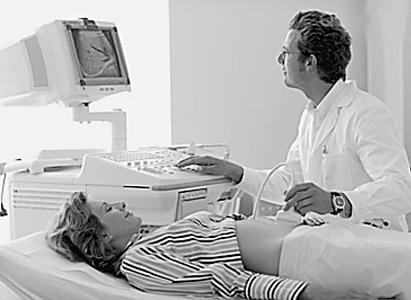
According to specialists from Modern Cancer Hospital Guangzhou, pathological changes of gallbladder can be detected in early stage as ultrasound devices improving and prevailing. Therefore, the incidence of gallbladder cancer is cut down maximally with timely treatment. Even for the changes from early stages, the prognosis is good through correct treatment. However the therapeutic effect is unhappy to those gallbladder cancer patients of middle and late stages. Since most patients have missed the best chance of treatment in early stage that the cancer develops to late stages. In such a case, excessive and positive treatments not only cannot help a patient to extend his life, instead, would lower the living quality of patient and shorten the life span.

Penile Cancer Treatment

Penile Cancer Treatment

Penile cancer is a kind of malignant tumor and has great threaten to males’ health. Therefore, early discovery and timely treatment must be adhered. Here, tumor experts of Modern Cancer Hospital Guangzhou would like to introduce the following treatment methods for penile cancer:

Traditional Treatment Methods for Penile Cancer

1. Surgery: surgery includes: circumcision, partial excision of penis, total resection of penis, bilateral inguinal lymph node dissection and iliac lymph node dissection. In which, if tumor is small and limited to foreskin, then circumcision can be performed; if partial excision of penis is required, then at least 2 cm above the position of tumor shall be cut; if the residual penis is too short, then total resection of penis can be carried out; if there is lymph node metastasis, bilateral inguinal lymph node dissection shall be performed; if there is Cloquet's node metastasis, iliac lymph node dissection is required.
2. Radiotherapy: in early stage, penile cancer patients can receive radiotherapy, however, radiotherapy alone won’t exert ideal therapeutic effect, but it can be taken as auxiliary measures after surgery to improve therapeutic effect of surgery.
3. Chemotherapy: chemotherapy combing with surgery can improve therapeutic effect definitely.
4. TCM: TCM has the function of regulating imbalance, strengthening body resistance and anticancer. If combine both advantages of TCM and western medicines, the therapeutic effects shall be greater than that of any single one.

Interventional Therapy of Penile Cancer

Interventional therapy of penile cancer includes endovascular interventional treatment and non-vascular interventional treatment. Interventional treatment is performed under the circumstance of not exposing foci: it is to cut an incision that may be a few millimeters in diameter, or through the original pipelines that the body itself owns to carry out treatment on local foci under the guidance of imaging facilities and instruments.

Advantages of Interventional Therapy for Penile Cancer:

1. Well-directed: interventional therapy can accurately localize and sophisticatedly treat penile cancer, and cut off blood supply of tumor;
2. Strong repeatability: interventional therapy won’t be limited by tumor cell metabolism period. According to patient’s condition and treatment demands, interventional therapy can be performed to tumor nodus that in different stages, or repeatedly occur or multi-occur for many times;
3. Real time therapeutic effect evaluation: under the monitor of DSA (imaging facilities), interventional therapy can accurately be performed with real time therapeutic effect evaluation;
4. Fewer side effects: interventional treatment can impose high drug concentration on local foci with less dosage and fewer side effects;
5. Little trauma: during the process of interventional treatment, the incision on skin is just about 2mm so that penile cancer patient would suffer little pain;
6. Quick recovery: penile cancer patients can get out of bed for walking, and after about 3-7days, they can be discharged from hospital;

7. Significant clinical therapeutic effects: after interventional treatment, penile cancer patient can own a prolonged survival period and also save the cost of hospitalization.

Eye Cancer Treatment

Eye Cancer Treatment

Eye cancer is a very rare malignant tumor, but people still need to pay more attention to it. Eye cancer experts of Modern Cancer Hospital Guangzhou point out that, once diagnosed with eye cancer, patients shall never be caught up in panic, but promptly go to the regular hospital for treatments.
Eye Cancer Treatment,Eye Cancer

Traditional Treatments of Eye Cancer

1. Surgery
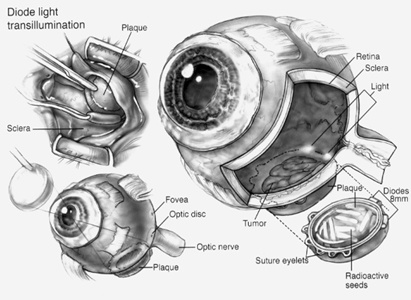
Surgical operation excision is the most commonly used method for the treatment of eye cancer. If canceration is limited to the nictitating membrane, full extraction operation from the root of nictitating membrane shall be carried out; if canceration is occurred in the conjunctiva and has not yet invaded into deep tissues, then wide scale excision shall still cover the surrounding tissues, meanwhile, the part closed to the nictitating membrane area is also removed; if canceration occurs in the surface of eyeball, then careful consultation shall firstly be carried out and then decide the operation of full eyeball excision; if canceration has invaded into eyeball and the orbit, it is necessary to remove all tissues including margo palpebrae and its surrounding skins, muscles and connective tissues, etc.
2. Radiotherapy
Appling x-ray, γ-ray, cable and electron beam to irradiate cancer tissue can maximally kill cancer cells and destroy tumor tissue.
3. Chemotherapy
Chemotherapy applies chemical drugs to kill cancer cells or inhibit cancer cell growth or reproduction. Selective application of chemotherapy prior to or after operation can increase therapeutic effect of operation and also improve the quality of life of patients with eye cancer.

Chinese Medicine Treating Eye Cancer

Chinese medicine treatment can be run through the whole treatment course of patients with eye cancer: it can strengthen the body resistance, regulate respiration and circulation system and enhance immune function; it can be used alone or combined with operation, radiotherapy, chemotherapy, etc.; it can inhibit tumor growth and improve the life quality of the patients.

In different period, eye cancer treatment shall also take different approaches. Eye cancer experts of Modern Cancer Hospital Guangzhou point out that, because the traditional single treatment'effect is relatively weak, therefore, eye cancer experts of Modern Cancer Hospital Guangzhou would also apply combination of minimally invasive treatment technology with interventional therapy, radioactive particle implantation, etc. as per patients' actual conditions, so that achieve better therapeutic effects.

Laryngeal Cancer Treatment

Laryngeal Cancer Treatment

Laryngeal cancer is a common malignant cancer, which has a rapid growth in its incidence. With the increase of smoking among females, there is quite a change in the incidence proportion between male and female. What exactly are the treatment options for laryngeal cancer? Let’s have a look together:
Throat Cancer Treatment

1.Surgery for laryngeal cancer

For laryngeal cancer, there are many kinds of surgical treatment methods, including hemilaryngectomy, partial laryngectomy , total laryngectomy, and removal of the cervical lymph nodes. These surgical treatments aim at getting long-term effect and function reconstruction. Meanwhile, as people’s understanding of laryngeal cancer develops, these treatment methods are being improved. So far, the major principle of surgical treatment is to completely remove the lesion and hopefully reconstruct the body function, so as to get a better prognosis.

2. Radiation therapy

Combination of radiation therapy with surgery can get a better treatment effect. Doctors can choose to perform radiation therapy either before or after surgery according to the stage and condition of laryngeal cancer.

3. Chemotherapy

Chemotherapy usually is not used as the main treatment for laryngeal cancer. Instead, it is often used in advanced laryngeal cancer as alleviative treatment or assistant treatment before surgery.

4. Chinese medicine

Chinese medicine can be used in comprehensive treatment. It is suitable for those who can’t undergo surgery, chemotherapy and radiotherapy or have recurrence after surgery.

5. Interventional therapy

Interventional therapy is a new treatment method, which has gone through abundant clinical trials and has been proved to be reliable. Interventional therapy for laryngeal cancer is to treat cancer in the manner of blood vessel infusion or embolism. Blood vessel infusion means to infuse the anti-cancer medicine into the cancer in a short and direct manner called intra-arterial infusion, so as to improve local drug concentration and prolong the time of effect, meanwhile, to reduce the damage to nearby tissues. Embolism is to insert solid or liquid medicine into the feeding artery of the cancer to block its supply of blood and nutrient and shrink the tumor, so as to achieve the treatment goal.

Interventional treatment before surgery can shrink the tumor and narrow the surgical range, so as to ensure a successful surgery. For those who cannot undergo surgery, alleviative treatment can be performed to reduce patients’ painfulness and prolong their life.

Bladder Cancer Treatment

Bladder Cancer Treatment
Bladder Cancer Treatment, Bladder Cancer

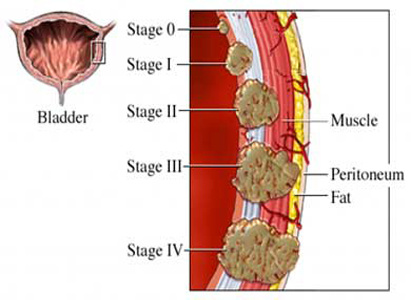
Experts remind that bladder cancer is the most common malignant tumor in the urinary system, to which, patients should live up to early detection and early treatment. The followings are some treatments for bladder cancer introduced by experts from Modern Cancer Hospital Guangzhou.

Traditional treatments for bladder cancer

1、Surgery
Surgery is the main treatment method for bladder cancer, while the specific operation scope and method should be based on the stage, histologic type and malignancy degree of the tumor. And a comprehensive analysis on the size, location and involvement condition of adjacent organs should be done before surgery.
2、 Radiotherapy
General speaking, radiotherapy is applied before or after operation. To advanced stage cancer patients who have lost the chance of surgery and those who refuse to undergo surgery, or cases of postoperative recurrence, palliative radiotherapy can also get a certain therapeutic effect.
3、Chemotherapy
Chemotherapy for bladder cancer patients includes intra-bladder chemo infusion, systemic chemotherapy and intra-arterial chemotherapy. Selectively taking chemotherapy before or after operation can increase the treatment effects and improve the quality of patients’ life to a large extent.
4、 Traditional Chinese medicine
Traditional Chinese medicine can be applied through the whole course of bladder cancer treatment. Used alone or combined with operation, radiotherapy and chemotherapy, traditional Chinese medicine can suppress the tumor and improve the quality of patient’s life.

Minimally invasive therapy for bladder cancer

Minimally invasive therapy is a modern and high-tech minimally interventional treatment method. Under the guidance of medical imaging equipment, a special catheter, guide wire and other precision instruments are introduced into the body for lesions diagnosis and local treatment. Minimally invasive therapy possesses the superiority which traditional therapies don’t.
1、 Small wound: the skin wound is only 2mm or so, patients have only a few sufferings
2、Strong repeatability
3、A real time assessment of efficacy in the guidance of DSA
4、Small dosage, high local drug concentration, with small side effect and there is no resistance;
5、With specific targeting: with accurate positioning, precise treatment, and small damage to normal tissues
6、Fast recovery: patients can have activity normally 12 hours later after the operation

In addition, experts from Modern Cancer Hospital Guangzhou also give patients radiotherapy, chemotherapy or traditional Chinese medicine planned and reasonably in accordance with their individual condition simultaneously, when they are applying interventional techniques. This can significantly improve the therapeutic effect and patients’ quality of life, and prolong their survival time as well.

Endometrial Cancer Treatment

Endometrial Cancer Treatment

Endometrial cancer treatment has various methods, including operation, radiotherapy, chemotherapy, Chinese medicine treatment and biological immunotherapy. Experts of Modern Cancer Hospital Guangzhou pointed out,endometrial cancer treatment should not unilaterally rely on local treatment or a single treatment method, instead, integrated applications which may include several treatment methods, such as operation, radiotherapy, chemotherapy, minimally invasive or other treatment methods, shall be carried out as per patient's actual condition to achieve the best therapeutic effect.
Endometrial Cancer Treatment

Traditional treatment methods of endometrial cancer

1. Operation: It is the most common treatment solution for early stage endometrial cancer. It can be defined as per patients’ condition, for example, ecphyadectomy for complete uterus with double sides or catholicity complete uterus and pelvic cavity lymph node dissection;
2. Radiotherapy: as endometrial cancer is sensitive to radiotherapy, so radiotherapy can achieve a radical effect for these patients of stage I/II who are not willing to receive surgery; while for advanced endometrial cancer patients, radiotherapy alone may not impose good effects, however, some elderly patients may be weak or also have other severe internal diseases so that they may not be able to receive surgery, in such case, radiotherapy is usually conducted through intracavity or extracorporeal irradiation, and also can achieve good therapeutic effect.
3. Chemotherapy: it is usually applied for advanced stage patients who cannot perform surgery or radiotherapy or these patients reoccur after treatment.
4. Chinese medicine treatment: patients with endometrial cancer often have poor physical quality and low immunity, so they may easily be affected by other infections. If Chinese medicines is given after surgery, they would regulate equilibrium and strengthen body resistance, induct the differentiation and apoptosis of cells without harm to normal tissue so that improve patients’ debilitation status. Combining TCM with western medicines, the therapeutic effect shall be magnified and exceed the effect of single therapy.

Bio-immunotherapy of endometrial cancer

Biological immune therapy in the treatment of endometrial cancer can completely remove small lesions of endometrial cancer in blood or lymph after surgery and prevent endometrial cancer recurrence and metastasis; in addition, the use of biological immunotherapy after sensitized immune cell infusion into the body, with the character of specific selectivity, can just kill the endometrial cancer cells, but not damage other normal cells. If biological immunotherapy is given at the same of or after chemotherapy, it can effectively reduce the toxic reaction of chemotherapy, increase the number of white blood cells and enhance immune function, thus ensure smooth implementation of radiotherapy.
Experts of Modern Cancer Hospital Guangzhou point out that, if diagnosed with endometrial cancer, patients can go to Modern Cancer Hospital Guangzhou for treatment where experts would design customized treatment plan as per the actual condition.

Adrenal Cancer Treatment

Adrenal Cancer Treatment

The adrenal gland is located above the kidneys, and just like kidney, also has 2 glands: the right one and the left one. The left adrenal gland looks like half-moon and is adjacent to spleen; right adrenal gland is in triangular and adjacent to the liver. The adrenal gland is very important, but it is not a urogenital organ, but an endocrine organ. It can secrete four categories and dozens of kinds of hormones which would be delivered to body’s tissues and organs through blood circulation and exert physiological effects. Due to adrenal’s hidden location, it is difficult to treat. The traditional methods for adrenal cancer mainly are surgery, radiotherapy, chemotherapy and traditional Chinese medicine treatment. With the development of science and technology, minimally invasive treatment has become the preferred tumor therapy which has been accepted by more and more patients.
Adrenal Cancer Treatment

1、 Surgery

Adrenal cortical cancer takes operation resection as the main treatment method. If without distant metastasis, resection on primary tumor as well as on adjacent lymph nodes shall exert good effect, and then perform pathological examination one by one. If with distant metastases, the primary tumor with metastatic tumors as much as possible should also be resected, as this can improve the effects of drug therapy or local radiotherapy.

2、 Radiotherapy

As primary adrenal lymphoma and metastatic adrenal cancer are sensitive to radiotherapy, therefore both the stereotactic radiotherapy and conformal radiotherapy can be adopted for them.

3、 Chemotherapy

Although chemotherapy can treat cancer cells, it still kills other normal cells or immune cells, bringing side effects to patients. At present the clinical has launched local chemotherapy which combines with patient's condition to conduct interventional regional perfusion of chemotherapy. According to clinical manifestations of Modern Cancer Hospital Guangzhou, treatment is guaranteed, at the same time, patient’s discomforts have been alleviated greatly.

4、 Minimally invasive treatment

For these tumors that operation cannot remove, or recur& spread after operation, minimally invasive treatment shall be adopted.
(1) Argon-helium knife: it performs cryotherapy treatments under the guidance of the ultrasound or CT to kill tumor cells with only small damage to the surrounding normal tissue, so this method is a relatively safe one;
(2) Radio-frequency ablation: insert electrode needle into the tumor; through a high frequency current, the electrode needle core-surrounded tissues would generate high temperature due to the high speed ion vibration and friction, which result in tissue protein coagulation, necrosis, thereby inactivate tumor cells;
(3) Radioactive seed implantation: implant radioactive 125I particles into the tumor, as 125I particles can emit continuous gamma rays in short distances to kill tumor cells, so that achieve the function of internal radiation therapy for the tumor.

5、Chinese medicines treatment

The treatment is conducted through oral take or injection; Chinese medicines not only can kill cancer cells and destroy tumor, but also adjust the balance of yin and Yang and strengthen body resistance, in the end eliminate survival environment of cancer cells and achieve the therapeutic effect.

Modern Cancer Hospital Guangzhou reminds that adrenal cancer is a kind of complex disease, and its pathological injury caused by malignant tumor has the character of diversity. Single application of a technique in the treatment of adrenal cancer can hardly obtain good therapeutic effect; only combined applications of a variety of technologies to complement each other, maximum efficacy shall be realized.

Anal Cancer Treatment

Anal Cancer Treatment

Anal Cancer Treatment,Anal Cancer

What are the traditional treatment methods of anal cancer?

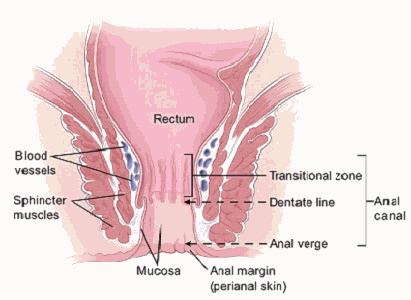
Surgery: the site for surgical resection can be determined as per the tumor site and whether there is tumor invasion occurred to sphincter, and lymph node metastasis to groin or not. Surgery includes: abdominal perineal resection and partial resection.
Radiotherapy: radiotherapy is performed as per anal patients’ systemic condition and local condition of tumor. Radiotherapy can be applied to combine with surgery: the use of pre-operative radiotherapy can increase the resection rate; the use of radiation therapy after surgery can reduce anal cancer recurrence.
Chemotherapy: chemotherapy is conducted through oral-taken medication, and sometimes the drug may be injected into the patients’ veins or muscles for treatment therapy. Usually chemotherapy is in conjunction with surgery and radiotherapy to reduce the recurrence of anal cancer.

What are the nursing methods of anal cancer?

Anal cancer patients shall actively cooperate with doctors’ treatments;
Anal cancer patient shall adhere to good living habits;
Anal cancer patients shall give up smoking (if any) and never eat hot spicy foods;
Anal cancer patients shall eat more fresh vegetables and fruits;
Family members and friends of anal cancer patients shall care and encourage patients in no time;
Anal cancer patient shall avoid negative, sad or upset emotion.
The best treatment methods for anal cancer:
The multiple disciplines medical team composed by surgeons, pathologists, radio-oncologists and professional nurses, can provide patients with customized treatment plan through consultations as per anal cancer patients’ condition, so that greatly improve the therapeutic effect of patients.
TCM can also be provided.

TCM have the function of regulating equilibrium and strengthening body resistance to fight cancer, improving immunity as well. Modern Cancer Hospital Guangzhou can combine TCM with other treatment technologies to integrate the advantages of TCM as well as western medicines, and improve the effect of treatment effectively.

Testicular Cancer Treatment

Testicular Cancer Treatment

Testicular cancer is mainly divided into two types: seminomas and non seminomas. About 30 out of every 100 testicular cancers (30%) are seminomas. Non seminomas include Choriocarcinoma, embryonal carcinoma, teratoma and yolk sac tumor.
Testicular Cancer Treatment

Although ways of growth and spread for seminomas and non seminomas are similar, their treatment options will be different. However, if the tumors mix with seminomas and non seminomas, the treatment will be the same with treatment for non seminomas. Treatment options include staging of cancer, the patient's age and overall health condition, and many other factors.
Treatments for testicular cancer include surgery, radiotherapy, chemotherapy, traditional Chinese medicine and cellular immune therapy, etc.

1. Surgery

Surgery is a method to remove a part of testicle. Usually the patients who receive this treatment will concern about its influence on his sex function and reproductive capacity, but these worries can be alleviated, because as long as there is one healthy testicle, the patients can have normal erection and produce sperms.

2. Radiotherapy

Radiotherapy is a method to use high-energy rays to kill cancer cells so as to shrink the tumor, which generally is used after the surgery. It is a local therapy which can influence the cancer cells in the treatment site. Besides, spermatogenous cells are very sensitive to rays while the non spermatogenous cells not, so radiotherapy usually does not be applied to patients with non seminomas.

3. Chemotherapy

Chemotherapy is a constitutional treatment, which kills cancer cells of whole body by using anticancer medication. Chemotherapy is usually applied after surgery, so as to kill the residual cancer cells and improve the effects o surgery.

4. Traditional Chinese medicine


Traditional Chinese medicine can regulate balance of body, strengthening resistance to fight against cancer. It can effectively relieve the side reaction and complication after surgery. When chemotherapy and radiotherapy are undergone, traditional Chinese medicine can be also used to detoxify and enhance effects. As for advanced patients, after surgery, chemotherapy, radiotherapy, they can continuously take Chinese medicine to regulate condition, improve immunity. For the advanced patients who are not applicable to surgery, Chinese medicines can relieve symptoms, improve quality of life, and prolong life expectancy.

Vaginal Cancer Treatment

Vaginal Cancer Treatment

Vaginal Cancer Treatment

Therapies for vaginal cancer: surgical therapy, radiotherapy, chemotherapy, cellular immunotherapy, minimally invasive targeted Chinese combined with western medicine therapy, etc. Details are as follows:

Surgery

Carcinoma in situ of the vagina can be removed by surgery which resects part of vagina or total vagina. Meanwhile, vaginoplasty will be performed. Early patients whose upper vagina tumor has not been infiltrated deep can be treated with extensive hysterectomy, removal of part of vagina and pelvic Lymph node dissection. As for patients with early lesions of lower segment, the vaginal and vulvar resection and inguinal lymph node dissection can be done.

Radiotherapy

Radiotherapy for vaginal cancer includes internal radiotherapy (brachytherapy) and external irradiation therapy (teletherapy). Brachytherapy mainly targets at primary lesions of vagina and the adjacent infiltration zone, while teletherapy mainly aims at infiltration area around tumor and metastatic lymph nodes area.

Chemotherapy

Treatment effect of single chemotherapy is not obvious in vaginal cancer treatment, so it often combines with radiotherapy, which can enhances the therapeutic effect.

Cellular Immunotherapy

Cellular Immunotherapy is a kind of tumor biotherapies. It kills and wounds tumors directly or induces the anti-tumor immunoreaction of the body via transfusing immunocyte with antitumor activity into patients. Immunotherapy is a therapy of using patient’s own immunity to resist and combat against cancer cell. Therefore, it is the safest treatment, with fewer side effects. Immunotherapy not only reduces or delays the possibility of relapse or metastasis, but also improves patients’ life quality.

Minimally Invasive Targeted Therapy


Minimally invasive Targeted therapy is using corresponding medicines against the specific carcinogenic sites (those sites could be a protein molecule or a genetic segment in tumor cells). The medicine would take effect by specially combining carcinogenic sites after entering human body, thus tumor cells would die specifically without affecting normal cells around.

Tongue Cancer Treatment

Tongue Cancer Treatment

Experts of Modern Cancer Hospital Guangzhou said that tongue cancer treatment methods are various, including: surgery, radiotherapy, chemotherapy, cellular immunotherapy, minimally invasive targeted therapy with combination of traditional Chinese medicine and Western medicine. Hereby we would like to introduce the following treatment methods:
Tongue Cancer Treatment

Surgery of tongue cancer

If the tumor located within 2/3 area of anterior tongue, operation should be firstly considered. Tongue cancer has many characters like relatively wider expansion within tongue muscles, early neck lymph node metastasis, high metastatic rate, etc. Therefore, in addition to the T1 cases, the others must consider radical operation for primary foci together with elective neck lymph nodes combined, which includes: primary tumor excision, neck dissection. For the weak and elderly patients of T1/2 tongue cancer or also having other systemic diseases that cannot undergo operation, consideration should be given to other treatment methods.

Radiotherapy of tongue cancer

For T1~T2 early tongue cancer, radiotherapy can achieve good effects. The advantages of radiotherapy are that tongue can keep good shape and function after the therapy.

Chemotherapy of tongue cancer

For early high differentiated tongue cancer, radiotherapy can play a preferred role in the treatment; for advanced tongue cancer, integrated sequential therapy combined with chemotherapy, radiotherapy and surgery shall be adopted. Meanwhile, immune therapy combining with minimally invasive targeted therapy of TCM and western medicines shall be also reinforced.

Cellular immunotherapy of tongue cancer

Cellular immunotherapy belongs to tumor biological treatment, and refers to imputing immune cells with antitumor specialty into patient to directly kill tumor or stimulate the body’s antitumor immune reaction. Therefore, it has the following advantages:
1. Enhance the immune function of patients, at the same time, play the function of antitumor and anti-virus for most of malignant tumors.
2. Reinforce the efficacies during or after treatments of operation excision, interventional therapy, radio-frequency ablation, argon helium knife.
3. For tumor patients who temporarily cannot perform surgery, interventional therapy or other treatments, NK cell therapy can be applied to enhance the body's immune function.

Experts of Modern Cancer Hospital Guangzhou remind that tongue cancer is a great threat to health of human-being. Once diagnosed with tongue cancer, patients shall receive timely treatments, however, the treatment methods vary, and how to choose proper treatments shall depend on patients’ actual condition.

Thyroid Cancer Treatment

Thyroid Cancer Treatment

Traditionally, surgery, radiotherapy, chemotherapy and endocrine therapy are applied to thyroid cancer. But nowadays, as medical technologies developing, cancer treatment has developed to an integrated treatment of multiple therapies from the mode of traditional one-treatment. The integrated treatment of multiple therapies can be seen especially in the combination of traditional Chinese medicine and western medicine.
Thyroid Cancer Treatment

1. Surgery

Surgery is the first choice in treating thyroid cancer. It generally divides to total thyroidectomy, subtotal thyroidectomy and thyroid ablation etc. Surgery normally is hard to remove all the thyroid tissues, some lesions may exist in remaining thyroid tissues, which may become hidden danger of recurrence.

2. Chemotherapy

Chemotherapy is mainly used as postoperative adjunctive therapy for the poorly differentiated or undifferentiated thyroid cancer. Apart from that, it can be the palliative therapy for the thyroid cancer patients in late stage, whose condition aggravates rapidly. However, its clinical therapeutic effect is poor and its toxic side effect is high that, it usually combines with traditional Chinese medicine to reduce the side effects to improve the therapeutic effect.

3.Endocrine therapy

Thyroxine can constrain the secretion of TSH that it can inhibit hyperplasia of thyroid tissues and differentiated cancer. Besides, it gets better therapeutic effect on papillary and follicular adenocarcinoma. Therefore, the patients with the thyroid cancers mentioned above should have thyroxine preparation after surgery, which would have certain effect to prevent cancer recurrence and metastases. But this method doesn’t work on undifferentiated thyroid cancers.

4. Radiotherapy

As one of adjunctive therapies for thyroid cancer, radiotherapy can divide to internal radiation and external radiation according to different pathological categories, and is applicable before or after surgery or cooperates with traditional Chinese medicine. Each type of thyroid cancer gets different sensitivities to radiation. External radiation works well in short term on undifferentiated cancer to reduce the size of primary tumor obviously and relieve pressure symptoms and pain effectively. Differentiated adenocarcinoma has poor sensitivity to radiation that radiotherapy normally would not use as adjunctive therapies before or after surgery.

5. Combination of traditional Chinese medicine and western medicine

Traditional Chinese medicine can be performed through the whole thyroid cancer treatment. It is also applicable to reduce the recurrence after surgery or to the patients who are inoperable or the recurrent after surgery. Besides that, it is also available to the symptoms causing from surgery, radiotherapy, chemotherapy and other treatments like physical weakness, fatigue and so on.

6. Minimally invasive treatments.

It is a kind of treatment that performed under the guide of medical imaging devices, such as CT scan, to inert the special duct or guide wire inside patient body to diagnose the lesion or abstract the tissues of from lesions. Then a doctor can decide should a patient have treatment at the same time or the other day. It needs only a trauma 1-2mm to perform the whole treatment that it features small trauma, fast recovery and good therapeutic effect.


As specialist from Modern Cancer Hospital Guangzhou introduces, choosing thyroid cancer treatment should according to the comprehensive factors of a patient, such as stage, physical condition, tolerance and case history etc.

Skin Cancer Treatment

Skin Cancer Treatment

There are many treatment methods for skin cancer, such as Ar-He knife, particle implantation , body cell immunotherapy , targeted therapy with integrative Chinese and Western medicine, so the appropriate therapy should be selected according to the specific diseases.
Skin Cancer Treatment

Proper treatment methods for skin cancer should be based on its histological types, and its anatomical sites, patient’ age, gender, general health condition, etc should also be considered. As to anatomical regions, attention should be paid to certain areas that are prone to recur after operation such as the area around the eyes, nose, ears, etc. For those areas, treatment with better effect must be chosen. Besides, surgery can be done but before that the beautifying, appearance of wounds, and skin function should be considered.
Furthermore, the health condition of the patient should be considered comprehensively. If the patient is suffering from coagulation disorders or under anticoagulation therapy (ACT), the treatment with no bleeding must be adopted, such as Ar-He knife, particle implantation, and immunotherapy. For those who cannot bear the treatment mentioned above, such as the old and sick people, female patients who cannot bear a long period of radiotherapy, targeted therapy with integrative Chinese and Western medicine.

Ar-He Knife

Ar-He knife is essentially “super-freezing treatment plus heat treatment ". When argon is released rapidly from the tip of needle, in ten seconds tumor tissue can be frozen to - 120℃~ - 165℃, forming an ice ball, thus tumor tissue within ice ball will be "hungry and cold"( hunger because it is lack of blood supply and oxygen, while coldness comes from the super low temperature) causing coagulation and then necrosis of the tumor tissue. When helium is rapidly released from the tip of the needle, the temperature will be increase to 20 ℃ ~40 ℃, causing thawing and then blasting of the ice ball, so as to destroy the tumor tissue and prevent damage to normal tissue.

Particle Implantation

Both basal cell carcinoma and squamous cell carcinoma are very sensitive to the radiation therapy, so before treatment plan is given, the patient’s age, sex, history of tumor, anatomical sites must be considered, so as to guarantee final treatment effect.125I particle is an energetic radionuclide, which can send out continuous and short-range gamma rays to kill tumor cells. It can achieve the effect of radiotherapy on tumor as surgery does, so it is known as the particle knife.

Body Cell Immunotherapy

Body cell immunotherapy infuses immune cells (which are active to fight cancer) into patient’s body, so as to directly kill tumor or activate immune response to fight against tumor. Body cell immunotherapy is a green therapy to fight against skin cancer, which can completely remove residual cancer cells and dormant cells in blood and lymph, and has irreplaceable advantages in killing tumor cells, resisting tumor recurrence and metastasis. Therefore, body cell immunotherapy can well make up for the damage on body’s immunity caused by surgery, radiotherapy and chemotherapy, so as to bring hope to the skin cancer treatment.

Targeted Therapy with Combination of Chinese and Western Medicine


Combined advantages of Chinese medicine with Western medicine to fight against cancer, the therapy receives greater efficacy than that of any single therapy. Through a minimally invasive targeting technology, tumor will be directionally, accurately cleaned and killed, so as to maximally reduce harm to body brought by the treatment. At the same time, it combines traditional Chinese medicine to regulate entirely body function, in order to reinforce the healthy qi to fight against cancer, enhancing immunity and physical health.

Brain Cancer Treatment

Brain Cancer Treatment

Brain cancer is a commonly-seen malignant tumor. Its morbidity and mortality is increasing year by year. To ensure good health, periodical physical examinations are required. Do not be caught up in panic once has been suffering from brain cancer, instead, active cooperation with doctors’ treatment is recommended to achieve effective control on brain cancer. Experts of Modern Cancer Hospital Guangzhou would like to introduce the following treatment methods for brain cancer:
Brain Tumor Treatment

What Are the Traditional Treatments for Brain Cancer?

1、Chemotherapy is a commonly-used method for all kinds of cancers, and brain cancer is not an exception. By now chemotherapy has achieved a great improvement in treating brain cancer, but due to special construction of blood-brain barrier, chemotherapy has been confined by many factors. Any drugs of chemotherapy can penetrate endangium cells due to liposolubility, and then enter and work on cancer cells. Such mode has influenced the speed and efficiency of drugs action.
2、Radiotherapy applies radioactive rays, γ-rays or high velocity neutron ray to treat cancer cells. Radiotherapy mainly adopts the characteristics that cancer cells are extreme sensitive to radioactive rays and can be easily damaged by these rays to perform treatments. The scale of radiation scope and dosage shall be defined as per tumor cancer pathologic diagnosis, differentiation degree and results of imageology examinations. For the in-depth brain tumor that cannot be safely cut, radiotherapy can be applied; however, the process of radiotherapy may cause relatively big toxic reaction or side effect.
3、Surgery is a direct method for treating brain cancer. For primary brain cancer, surgery can be applied to cut the tumor to maximally eliminate cancer cell thoroughly and avoid cellular proliferation after surgery to further prevent brain cancer recurrence. Such treatment is commonly used while the potential of recurrence after surgery is relatively high.

Minimally Invasive Therapy for Brain Cancer

Modern Cancer Hospital Guangzhou has introduced advanced cancer treatment facilities that feature many characteristics like minimally invasive, pain-free, quick recovery and so on. Tumor experts shall work out a series customized and suitable treatment plans for the brain cancer patients as per their different condition, symptoms through the way of expert team’s consultation.
Brain cancer experts of Modern Cancer Hospital Guangzhou are able to combine interventional therapy, Ar-He knife, TCM, radioactive particle, bio-immunotherapy and photodynamic knife with minimally invasive technologies together to treat brain cancer. This can not only avoid the shortcomings like poor therapeutic effect and big side effect that traditional therapies own, but also improve the therapeutic effects and living quality of brain cancer patients.

Cancer experts of Modern Cancer Hospital Guangzhou remind: brain cancer is one of commonly-seen malignant tumors, once discover the presence of brain cancer, go to standardized hospital for timely treatment.