2017年3月18日星期六

10 Symptoms of Thyroid Disease

10 Symptoms of Thyroid Disease

Thyroid disease has grown dramatically over the past decade, with an astounding 30 million patients suffering from some form of thyroid disorder. The amount of children within the last year that have been diagnosed with thyroid disease has grown dramatically. Mostly, it’s goiters as the culprit for numerous pediatric cases, but women are also being diagnosed earlier and earlier than ever before. Contrary to what people assume, men can suffer from thyroid issues just as women do, but women appear to develop the disorders more often than the male population.
Thyroid problems can lead to weight issues, emotional stress, anxiety, and terrible fatigue. It can also be easily confused with lots of other health issues such as chronic fatigue syndrome, and even Lyme disease. It is crucial to get your thyroid complications diagnosed and get on a treatment plan to avoid long term symptoms.
Here are the 10 symptoms of thyroid disease to look out for:

1. Weight Gain

The most common issue thyroid patients have is controlling their weight. Female patients have a tremendous struggle balancing a healthy weight often due to an under active thyroid.
The good news is that once your doctor comes to the thyroid diagnosis as the cause of your weight gain, you can better manage your eating habits.

2. Fast Heart Rate

Anytime you suffer from a speeding heart rate it can be alarming. You want to relax and bring it back down to a normal pace, but often it is out of your hands due to the thyroid not functioning properly.
Heart palpitations and a speeding heart rate can often be symptomatic of thyroid issues. The cardiac changes can come and go, or linger around for a few hours. This doesn't usually equate having any pain in the heart area, but it can be a symptom that unfortunately lasts for weeks or months for those living with an advanced case of thyroid disease.

3. Difficulty Concentrating

It's amazing how much havoc the thyroid can cause on your body. For instance, if you don't have enough hormones, it can result in troubles concentrating during the day. Your entire thought process can be thrown totally out of wack.
If you find that you could once breeze through your workload at the office and now it seems exhausting, it is definitely something worth checking into with your medical provider. Brain fog or concentration issues can be from many health ailments, but it certainly is related to your thyroid in many cases.

4. Increased Anxiety

The thyroid can change the way your body temperature is working, and physicians report that once the temperature is lowered, it can cause the patient to suffer from anxiety.
Anxiety treatments have come a very long way from decades ago. Now there are pills, therapy methods, or techniques such as yoga classes, or support groups to provide some level of relief for thyroid induced anxiety.

5. Skin Conditions

Skin conditions can come in the form of anything from acne episodes, to eczema, and they can all be more prone to developing for those that live with a thyroid issue.
A number of thyroid patients often report that their skin becomes very dry and itchy as a result of the thyroid not doing its job.
Over active and under active thyroids can both equally result in skin issues. Consult with your medical provider to see if you require specialty care by a dermatologist.

6. Bowel Problems

Did you know that your thyroid can sometimes cause you challenges in the bathroom? It's true, hypothyroidism commonly causes bowel problems in several patients.
The silver lining is that this symptom is generally easy to treat, even with over the counter remedies for most. Start drinking more water each day to encourage a healthy digestive system as a first step. Look into increasing fiber and leafy greens into your diet as well. Take a walk or ride a bike a few miles to keep your system moving and healthy.

7. Fatigue

Feeling tired, or sometimes even flat out exhausted can be symptomatic of thyroid issues.
Your hormones not working well play a large part in how much energy you have each day. Think of the middle aged men that receive testosterone injections; these injections help them with everything from their sex drive, to their energy levels. The same theory applies to women and their thyroid. When those hormones aren't properly balanced, a quick decline in their energy can commonly ensue.

8. Menstrual Cycle Changes

Again, the thyroid has a great way to throw a woman's hormones off kilter. If your thyroid isn't functioning as it should you can easily suffer from changes within your regular menstrual cycles.
Some women for instance don't get a monthly period if they suffer from an eating disorder. The same theory is applicable to those that suffer with thyroid complications, as the instant your internal system isn't functioning properly, it can quickly change your cycle.

9. Low Libido

Not feeling so affectionate with your significant other? Not too uncommon for those that have a thyroid issue.
While many women have various reasons for not feeling very sexually intrigued, some truly cannot help it if their thyroid is the culprit. Speak to your medical practitioner to see if your thyroid is to blame for your low libido.
There are also lots of herbal and over the counter options to increase your libido to start getting back to your old self.

10. Depression

It's really no wonder so many suffer from depression when tons of people are thyroid patients across the globe as the two go hand in hand.

Depression can be a very serious ailment, and not something that just causes a slump in a bad day and the next day you're fine. Hormonal imbalances quickly result in depression, sad thoughts, and weeks when you just can't get out of a funk. Speak to your doctor about possibly seeing a therapist or taking antidepressants to positively alter your mood changes.

2017年3月9日星期四

Colon Cancer Symptoms

Colon Cancer Symptoms

colon cancer, symptom of colon cancer

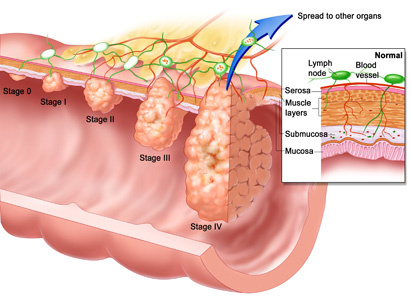
Colon cancer is a common malignant tumor of digestive tract system and has great threaten to our health. In early stage, colon cancer has no obvious symptoms or just has the symptoms before lesion cancerous change, while as time goes by, a series of symptoms and physical signs would appear.
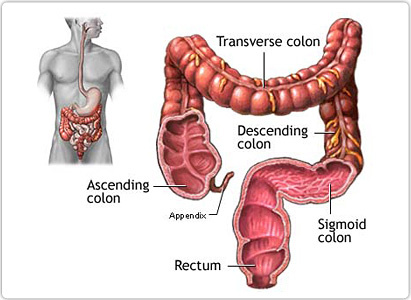
(1) Abdominal pain and symptoms of digestive tracts: the vast majority of colon cancer patients have different degree of abdominal pain or abdominal discomforts, like abdominal hidden pain, left side abdominal distention, nausea, vomiting, loss of appetite and so on. After food feeding, the symptoms may get worse and sometimes may company with intervallic diarrhea or constipation, which are easily confused with the common diseases of right lower quadrant, like chronic appendicitis, ileocecal tuberculosis, ileocecal junction segmental enteritis or lymphoma. It is generally believed that the symptoms of rightward abdomen colon cancer manifest as pain in the part above navel; while symptoms of leftward abdomen colon cancer manifest as pain in the part under t navel. If cancer tumor penetrates intestine wall, it may cause local inflammatory adhesion or local abscess after the formation of chronic perforation. The location of pain is just the place where tumor localizes.
(2) Abdominal mass: it is usually irregular and in hard texture; its surfaces manifest nodosity; during early stage of transverse colon cancer and sigmoid colon cancer, abdomen mass has a certain activity and may cause pain even press it slightly.
(3) Changes of bowel movement and stool shape: this is due to ulcer or infection caused by tumor necrosis. Because toxin stimulates colon to change bowel evacuation habit: increase or reduce the numbers for bowel evacuation; alternate occurrence of diarrhea and constipation, or occurrence of abdominal colic before bowel evacuation and after that, it would alleviate. If the position of tumor is under or just localizes rectum, then some rectum irritation may appear, like anus bearing-down pain, difficult defecation. Dejecture often manifests as shapeless like pasty, and is mixed with mucus and bloody pus. Sometimes, large amount of blood content may mislead the diagnosis as dysentery, enteritis, bleeding of hemorrhoid and so on.
(4)Anaemia and absorption of chronic toxins: when the surface of tumor necrosis appears ulcer, the colon may suffer from continuously capillary hemorrhage. Blood being mixed with dejecture may fail to catch the attention of colon cancer patients. However, anaemia, emaciation, adynamia or weight loss may be caused due to chronic blood loss, toxin absorption or malnutrition. Advanced stage colon cancer patients may suffer from edema, hepatomegaly, ascites, hypoproteinemia, cachexia and so on. If tumor penetrates stomach or bladder or other organ and cause internal fistula, then similar symptoms shall be also caused.

Now you may have certain knowledge about the symptoms of colon cancer, if there is any further questions, welcome to Modern Cancer Hospital Guangzhou for consultation. Knowing well the symptoms of colon cancer is so helpful for detection and timely treatments, also the therapeutic effects can be remarkably improved and the survival time would be prolonged as well.

Bile duct cancer symptoms

Bile duct cancer symptoms

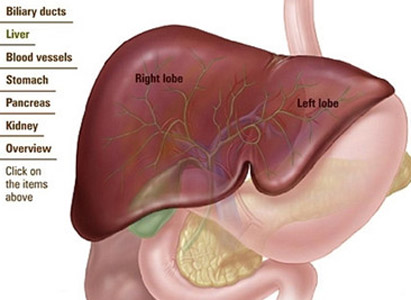
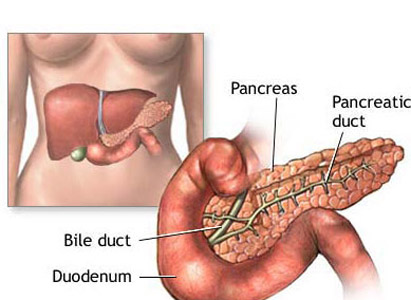
Bile duct carcinoma originates from extrahepatic bile duct and includes malignant tumor located from hepatic hilar region to the lower end of common bile duct. The incidence rate of bile duct cancer have increase trend in recent years, and even in some high risky area, the incidence rate has doubled. The malignancy of bile duct cancer is very high, and its main symptoms are jaundice, abdominal pain, itch of skin and other related symptoms.
bile duct cancer symptoms

1. Jaundice: as bile duct cancer patients have no obvious typical symptoms and most of them won’t go to hospital until jaundice appears; jaundice is the earliest and most important symptom of bile duct cancer, and it is said that 90-98% bile duct cancer patients have different degree of yellow dye to skin and sclera. Jaundice would get worse gradually without pain for most of the cases; in a few cases, jaundice manifests as undulant; jaundice for upper bile duct cancer would appear earlier than that of middle or lower bile duct cancer as there are buffering function of gall bladder.
2. Abdominal pain: nearly half of patients would suffer from abdominal distention or discomforts, weight loss, poor appetite, etc. These symptoms are usually regarded as early warning symptoms of bile duct cancer. According to clinical observation, 3 months later, bile duct patients would suffer from abdominal pain.
3. Itch of skin: itch may be caused after or prior to the occurrence of jaundice and is due to the increase of bilirubin content in blood and this stimulates the peripheral nerve of skin so that cause itches to skin. Sometimes there are some other accompanying symptoms like overspeed heartbeat, bleeding tendency, listlessness, acratia, abdominal distention, etc.

4. Other symptoms: besides the above mentioned symptoms, there are some other symptoms like nausea and vomiting, weight loss, deep yellow urine like soy sauce or strong tea, light yellow stool shaped like pot clay and so on; tumor may collapse in late stage, then bile duct bleeding shall be found and concealed blood test of stool or black stool is positive; this may even cause severe symptom like anaemia; patients with hepatic metastasis may suffer from liver enlargement, liver cirrhosis and so on.

Duodenal Cancer Symptoms

Duodenal Cancer Symptoms

Duodenal cancer can be primary or secondary to malignant cancers of nearby organs, such as the stomach, bile duct and pancreas. Primary malignant cancer of duodenum is not common but should not be neglected. The most common duodenal cancer is adenocarcinoma, others like leiomyosarcoma, malignant lymphoma, carcinoid are also comparatively common types of duodenal cancer.
Duodenal Cancer Symptoms

Incidence of duodenal cancer

Duodenal cancer is not a common cancer. Its incidence accounts for less than 1% of all the malignant cancers in the whole body. Duodenal cancer has a comparatively high incidence in group between 50 to 70 years old, with a larger proportion among males than females.
What are the causes of duodenal cancer?
So far, causes of duodenal cancer still remain unknown. But substances in secretion of bile and pancreatic juice, for example, secondary bile acids like lithocholic acid, are likely the risk factors. Diseases, such as familial polyposis and benign epithelial tumors like villous adenoma, are likely related with duodenal cancer. Another study showed that duodenal ulcer, canceration of diverticulum and genetic factors also have certain relation with duodenal cancer.

What are the symptoms of duodenal cancer?

1. Pain: abdominal dull pain or discomfort, which is not relieved after eating and sometimes radiates to the back.
2. Loss of appetite, nausea, vomiting: these are non-specific gastrointestinal symptoms, which may occur in 30% - 40% of duodenal cancers. Symptoms like frequent vomiting and vomiting out abundant contents, are mainly the result of partial or complete duodenal obstruction caused by the enlarging tumor, which gradually blocks the intestinal cavity.
3. Anemia, bleeding: these are the most common symptoms. The bleedings mainly appear as chronic blood loss, such as fecal occult blood and black stools
4. Jaundice: Jaundice is caused by tumor’s blocking the ampulla. Such jaundice often becomes uneven due to tumor necrosis and shedding. It is usually reduced after fecal occult blood occurs. Moreover, it is often accompanied by abdominal pain
5. Loss of weight: Loss of weight is a common symptom. However, progressive weight loss often indicates bad treatment effect.
6. Abdominal mass: great enlargement of the tumor or invasion to surrounding tissues may cause palpable right upper abdominal mass to some patients.

Experts from Modern cancer Hospital Guangzhou remind that once symptoms of duodenal cancer occur, one should go to regular hospital for examination and treatment timely.

Soft Tissue Cancer Symptoms

Soft Tissue Cancer Symptoms

Soft tissue tumors are tumors that occur in mesenchymal tissue, including epidermal and dermal benign tumor, cystic lesion, and malignant tumor located in the deep fascia. Most of the soft tissue tumors are benign tumors; manifestations of benign and malignant tumors are similar. Whatever malignant tumors that happened in the soft tissue, in principle are called sarcoma.
Soft Tissue Tumor Symptoms

Causes of soft tissue tumor

Currently, causes of soft tissue tumor have not been defined yet, but it is well-known that soft tissue tumor is related to the following factors: 1. Gene (genetic) theory: gene mutations of normal cells can cause cancer. Tumor cells constantly proliferate and inherit the biological characteristics, such as hereditary multiple exostosis. 2. Chronic stimulation theory: (1) chemical chronic stimulation, (2) physical factors. 3 Virus theory has found that blood serum of patients with osteosarcoma contain specific antibodies of osteosarcoma. 4. canceration.

Symptoms of soft tissue tumor

1. Systemic manifestation: both benign tumor patients and early malignant tumor patients rarely have obvious systemic symptoms. Late malignant tumor patients, such as bone sarcoma, rhabdomyosarcoma or metastatic carcinoma, can have cachexia symtoms, such as anaemia, emaciation, loss of appetite, weight loss, fever, etc.
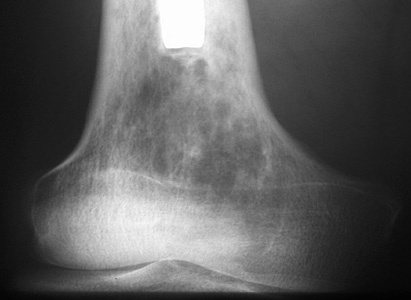
2. Local manifestation: pain of bones, joints, soft tissue, osseous or soft tissue mass, dysfunction, these are common local manifestations of malignant bone tumors.
(1) Pain: pain is the most common symptom of tumors of rapid growth. At the beginning, the pain is light and intermittent, and gradually develops into a violent persistent pain. This is mainly due to tension or pressure imposed by bone tumor to sensitive periosteum or endosteum. But the pain does not necessarily explain the tumor is malignant, because some benign tumors, such as osteoid osteoma may cause pain due to reactive bone growth and pain. If pain suddenly and violently attacks, this may easily cause pathological fracture.
(2) Mass: benign tumors often present hard and non-tender lumps. Malignant tumors of rapid growth often present as a diffuse swelling, tenderness, skin fever, superficial venous engorgement.
(3) Dysfunction and compression: if tumor is close to joint, activities will be restricted; pain would increase when the joint moves. For tumors occurred in spinals, no matter benign or malignant, spinal cord compression would be caused and further lead to paralysis.
(4) Malformations: patients in growth age or patients with pathological fractures, may suffer from malformation, for instance, multiple osteochondroma would affect growth, and even cause limb bending with unequal lengths. Enchondroma can make bonelets of hand and foot deformed. If tumor invades into epiphyseal plate, then it would cause maldevelopment.

Experts of Modern Cancer Hospital Guangzhou remind: the above symptoms are common symptoms of soft tissue tumor, if similar circumstances occur, patients should go to standardized hospital a.s.a.p. for examination or treatment.

Multiple Myeloma Symptoms

Multiple Myeloma Symptoms

Multiple myeloma (MM) is a cancer of plasma cells from B lymphocytes. Multiple myeloma generally has no obvious symptoms in the early stage, so what are the symptoms of multiple myeloma?
Multiple Myeloma Symptoms

Symptoms

1. Bone pain: it is a main symptom. Bone pain most commonly involves the spine and vertebrae, and then ribs. It is manifested as intermittent pain in the beginning, gradually becomes persistent pain, and worsens with activity.
2. Infection: repeated infection is often caused, often occurring in the lung, urinary system, skin, sinus, etc. It is more common in the advanced stage or in the process that chemotherapy is undergone, manifests as intractable infection, not easy to be controlled with medication, so it often becomes the main cause of death.
3. Anemia: it results from the damage of hemopoietic system by infiltrating tumor cells and inhibition of normal red blood cell production. Almost all patients have different degree of anemia.
4. Renal dysfunction: it usually occurs in the early stage and about 20% of patients develop renal dysfunction, causing uremia which leads to death.
5. Immunoglobulin abnormality: a large number of monoclonal immunoglobulin makes the viscosity of blood increase, resulting in slowing of blood flow and microcirculation disorder. These kinds of patients will develop errhysis of capillary or bleeding, numbness of limbs, cerebral dysfunction, etc.
6. Neurological symptoms: when tumor infiltrates or compresses nerves, spinal cord and other parts, there will be corresponding symptoms appearing, such as paralysis, urinary retention, neuropathic pain, numbness of limbs and movement disorders, etc.
7. Other symptoms: such as high calcium deficiency, hepatosplenomegaly (enlargement of liver and spleen), amyloidosis (AL), a few patients with cryoglobulinemia will develop secondary Reynaud’s phenomenon.

Experts from Modern Cancer Hospital Guangzhou remind you: if found suspected symptoms of multiple myeloma, you should go to hospital for examination and treatment immediately.

Gallbladder Cancer Symptoms

Gallbladder Cancer Symptoms

Early symptoms of Gallbladder cancer

Normally gallbladder cancer comes without special clinical symptoms or only develops the symptoms of chronic cholecystitis. The early diagnosis of it is hard that once constant pain, lump, jaundice occur, a patient is already in late stages.
Therefore, the patients, especially the ones older than 50 and have the history of cholecystolithiasis, inflammation or polyp, complain of discomfort or pain in gallbladder should regularly have ultrasound examination for early and firm diagnose.
Gallbladder Cancer Symptoms

Symptoms of gallbladder cancer

1. Symptoms of enteron. Most patients (about 90%) develop dyspepsia, aversion to greasy food, belching, poor appetite and other symptoms because of functional defect of gallbladder, which means the patients cannot digest fatty material.
2. Pain in right upper abdomen. Over 80% gallbladder cancer patients are suffering from cholecystolithiasis at the same time that some similar symptoms of cholecystolithiasis or cholecystitis develop. Most cases would present the pain in right upper abdomen first, which would develop to constant vague or dull pain and occasionally accompanied by the paroxysmal acute pain that can extend to right shoulder.
3. Lump in right upper abdomen. About 50% patients develop the lump in right upper abdomen or upper abdominal regions, among them mostly are enlarged gallbladder.
4. Jaundice and skin itch normally appear in late stage of gallbladder cancer. Obstruction of bile duct resulted by cancer tissues encroaching on bile ducts or swelling metastatic lymph nodes depressing on bile ducts that the bile secreted by liver cannot enter intestines but flows black to blood would lead to yellow satin in skin and mucous membrane. And a patient with jaundice is normally accompanied by the skin itch that is hard to relieve and may aggravates at night.
5. Fever and emaciation. Around 25% patients would present fever, which causes from secondary infection of biliary tract. Cachexia may even develop in late stage patients as well.

Physical signs of gallbladder cancer

1. Jaundice
It appears as yellow stain in mucous membrane and skin severely and mainly because of obstructive jaundice. And jaundice normally is a sign of advanced cancer stage.
2. Lump in right upper abdomen
Smooth and swelling gallbladder can be touched in right upper abdomen when it is movable and without accretion of tissues around. But if accretion of peripheral tissues occurs, normally several lumps, even swelling liver or the lumps of duodenum obstruction are palpable.

Specialists from Modern Cancer Hospital Guangzhou remind you that once above mentioned symptoms occur, please have examination in hospital as soon as possible.

Penile Cancer Symptoms

Penile Cancer Symptoms

Penile cancer is a malignancy uncommon in generative organs.But the incident rate of which is increasing year by year. Knowing the symptoms of penile cancer is very helpful to detect the cancer earlier and prevent it from developing into the late stage or threatening patient's life. Then what are the symptoms of penile cancer?
Penile cancer symptoms

Penile cancer symptoms

1. The early cancerous symptoms of penile cancer would present as thickening in balanus or epithelium of prepuce. Most penile cancer patients have the symptoms like papula, ulcer, verrucae or cauliflowerlike plaque, which can further develop to erosion, hard and irregular edge. Accompanied that are tingle or burning pain and smelly purulent secretion. A patient can touch the lump or nodules and feel the tenderness locally through prepuce when capistration or prepuce can not upturn. Early penile canceration can be seen after taking circumcision.
2. Without proper treatments, as the condition develops, the symptoms of early penile cancerization like warty nodules increase or ulcer extension are thinning and brightening of prepuce may occur. Late-stage cancer would encroach on the whole penis and spongy body of penis. The distal segment of penis can present necrosis and abscission with local unbearable pain because of poor blood circulation. After cancer infiltration develops in spongy body of penis, a patient would have symptoms like pain and difficulty in urination, or even urine retention or urinary fistula.
3. Swelling inguinal lymph nodes are possibly from encroachment of cancer cells or inflammation. Penile cancer patients are normally found of swelling inguinal lymph nodes, but most cases are owing to penile cancer combining with local infection, only little cases are causing from cancer metastases.
4. When distant metastases happen, correspondent symptoms may develop in the organs or tissues being affected. Besides, other symptoms like anemia and loss of appetite may present, too.

Above is the introduction to penile cancer symptoms. Specialist from Modern Cancer Hospital Guangzhou reminded that once any signs mentioned above present, the patient should be alert to penile cancer so as not to delay treatments. Through effective treatments, the therapeutic effect can be improved on penile cancer patients in early stage.

Eye Cancer Symptoms

Eye Cancer Symptoms

Eye cancer is a relatively rare malignancy occurs in the eyes. Eye cancer can be divided into eyelid cancer and intraocular cancer according to the sites. Eye cancer is often occurs in a single eye first, subsequently spread to another eye, the incidence of which varies in different age. Eye cancer usually caused by genetic factors or genetic mutations of the patients themselves.
Eye Cancer Symptoms

Eye cancer symptoms
1、Patient's eyelid usually has obvious mass when the cancer is happen in the eyelid which will affect their range of visions. Some serious cases may occur to mass broken or ulceration and lead to more severe symptoms.
2、When the tumors are located inside the eyes, they usually are retinoblastoma and choroidal melanoma, which mainly presented with ocular high pressure, eye pain, headache and poor eye sight.
3、Orbital tumors, such as the lacrimal tumor, optic nerve glioma, generally perform as eye pain accompanied by tears, proptosis or eye movement disorders and decreased eye sights.
Other symptoms of eye cancer
1、Emergence of binocular asymmetry or esotropia
2、Color of one eye is different from another
3、The pupil has white spots in general illumination

Experts from Modern Cancer Hospital Guangzhou remind that early detection and early treatment are the basic principles for eye cancer treatment. Once suspected eye cancer symptoms are emerged, one should go to the regular hospital for professional examination promptly.

Laryngeal Cancer Symptoms

Laryngeal Cancer Symptoms

In the modern society, laryngeal cancer is seriously threatening people’s health. Due to lack of understanding of laryngeal cancer , patients are often found in late stage. The key to prevent laryngeal cancer is to know about laryngeal cancer symptoms. Here, experts from Modern Cancer Hospital Guangzhou are giving us an introduction of laryngeal cancer symptoms.
According to the location of the cancer, laryngeal cancer can be classified into three types. They are supraglottis laryngeal cancer, which refers to cancer that starts in the area above the vocal cord; glottis laryngeal cancer, which refers to cancer that originates in the vocal cord; and subglottis laryngeal cancer, which starts in the area between the subglottis and inferior border of cricoid cartilage.
Throat Cancer Symptoms

Symptoms of laryngeal cancer:

1. Persistent hoarseness, foreign body sensation or swallowing pain in the throat.
The most common symptom of laryngeal cancer is hoarseness. If abnormal hoarseness occurs and persists for more than three weeks without signs of disappearing, one should turn to the ENT specialists for laryngoscopy thoroughly and take treatment timely. As most laryngeal cancers start in the vocal cord, even very small vocal cord tumors can cause abnormal vibration of the vocal cord and result in hoarseness. Foreign body sensation and swallowing pain in the throat are early symptoms of supraglottis laryngeal cancer. Both doctors and patients should not neglect the symptoms even if they are not obvious. Otherwise, diagnosis and treatment will be delayed. Moreover, glottis laryngeal cancer can also cause foreign body sensation and swallowing pain when it reaches mid-late stage.
2. Internal ear pain
When laryngeal cancer develops to certain degrees and causes ulcer and severe inflammation in the throat, it can cause reflective pain of the nerves. Early vocal cord cancer usually does not cause reflective pain that often occurs among patients with mid-late stage supraglottis laryngeal cancer and with appearance of internal ear pain in the same side of the pharyngeal ulcer or inflammation.
3. Have blood in sputum and difficulty in breath

As there are a lot of new blood vessels in the tumor, patients often cough out bloody sputum. This symptom is often caused by supraglottis laryngeal cancer, subglottis laryngeal cancer and mid-late glottis laryngeal cancer. As the tumor severely deteriorates and enlarges in the primary location, it can directly affect breath by obstructing the air tube or causing breath difficulty by obstructing the secretion discharge in the air tube.

Bladder Cancer Symptoms

Bladder Cancer Symptoms

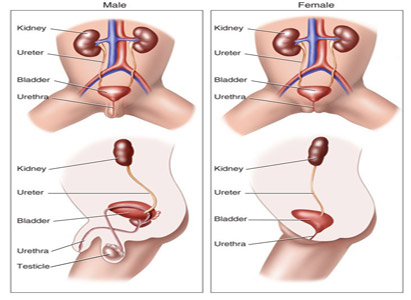
Bladder cancer is a malignant tumor occurs in the bladder mucosa and it is commonly seen in the urinary system. There are about 150,000 patients died of bladder cancer every year all over the world, among which, the incident rate of men is 3 to 4 times higher than women and it usually occurs in people during the age of 40 to 70 years old. Painless bloody urine is the most commonly seen symptom of bladder cancer, almost all the patients show this symptom when they are diagnosed with bladder cancer. If patients can notice this signal and take timely examination, they can achieve early detection, early diagnosis and early treatment.
Bladder Cancer Symptoms

Bladder cancer symptoms

1.Bloody urine: Bloody urine is usually caused by the ulceration and bleeding of the tumor. The blood volume of which varies, we can see it by naked eyes if it is in a large volume, while can only observe some red blood cells in the urine under the microscope if it is in small amount.
Bloody urine of bladder cancer patients has two characteristics: first, it is painless, namely, patients can’t feel any pain or discomforts when it is occurring, which is called painless hematuria medically; second, it is happen intermittently, that is to say, bloody urine may stop automatically or relieve. The interval of hematuria’s occurring can be several days or months, or even half a year.
2.Stimulus symptoms of the bladder: when the tumor is occurring in the bladder trigone or when the scope of the tumor’s pathological changes and co-infections is increasing, it will stimulate the bladder and make the patients occur to frequent and urgent urination.
3.Urinary tract obstructions: tumor with big size, tumors in the bladder neck or blood clots blocking will all cause urinary difficulty or even urine retention. Patients will emerge to waist pain, hydronephrosis or damage of the kidney function if the tumor has infiltrated to the ureteral orifice and causing obstruction in the urinary tract.
4.Metastatic symptoms: when advanced stage cancer is infiltrating to the surrounding tissues and organs of the bladder or emerging to pelvic lymph node metastasis, it will lead to bladder pain, urethral or vaginal fistula and lower limb edema; when distant metastasis appeared, patients will occur to organ function damage, bone pain and Cachexia.
Above are the common symptoms of bladder cancer. Experts from Modern Cancer Hospital Guangzhou remind that if anyone emerges to the above symptoms, he should go to a regular hospital for check at the first moment.

2017年3月6日星期一

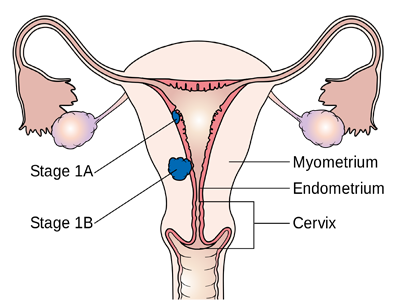
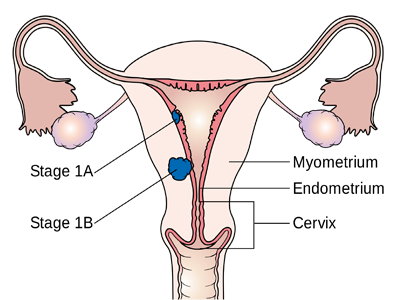
Endometrial Cancer Symptoms

Endometrial Cancer Symptoms

There is no obvious symptom in early stage, and it can only be detected during extensive survey or gynecologic examination for other reasons. Once symptoms appear, then they may manifest as follows:
1.Vaginal bleeding: this is the earliest and most common symptom for endometrial cancer, and it often manifests irregular bleeding, or heavy or light, and female before menopause often have heavy menstrual blood volume and it lasts for long time; after menopause, it often manifests as vaginal bleeding;
2.Vaginal apocenosis: the falling off of endometrial cancer tissue necrosis can cause effusion to be drained through vagina; and the effusion manifests like rice-water mixed with blood or purulence companied with evil smelling;
3.Pain: advanced stage patients often bear great pain which is caused by tumor pressing nerves and can be occurred at the position of lumbosacral area, hypogastrium or even extend to the leg;
4.Advanced stage patients can touch the enlarged womb under the hypogastrium , it can cause swelling and pain to lower extremity or other systemic exhaustion like anaemia, emaciation, fervescence, dyscrasia, etc.
Auxiliary examinations can be carried out as per the abovementioned symptoms to diagnose endometrial cancer, therefore, females shall pay attention to any changes occurred to menstruation and the characters of vaginal secretions. Once certain symptoms appear, go to hospital for examination timely.

 Endometrial Cancer Symptoms

Adrenal Cancer Symptoms

Adrenal Cancer Symptoms

Fast pace of work and life, unhealthy dietary habit and heavy psychological pressure, all these factors bring more and more people into hypertension problems. However, there are such a group of hypertension patients, whose blood pressure stay high even taking medicines under instruction of a physician. Why? In fact, persistent hypertension andadrenal cancer have close relationship, which patients should not neglect. Besides hypertension, what are the other symptoms of adrenal cancer?
Adrenal Cancer Symptoms

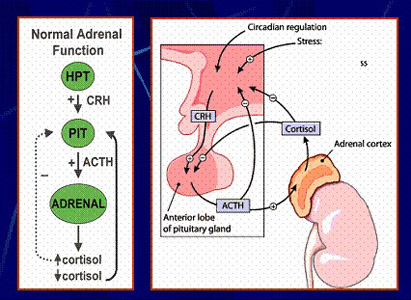
Adrenal cancer is malignant cancer that originates in the adrenal gland. It is divided into adrenocortical carcinoma and adrenal medulla tumors, etc. Cancer can happen in adrenal cortex and medulla. Cancers that can cause endocrine function variation are known as functional tumor, while those can not cause endocrine function changes are known as nonfunctional tumors.

Adrenal cancer symptoms

Most adrenocortical carcinomas are functional. They usually appear with virilization of female, hypercorticism, and are prone to local infiltration and metastasis. Generally, if metastasis through lymph nodes and blood vessels happens, the average survival time will be 2 years.
Adrenocortical carcinomas usually have bigger sizes, which are often above 100 g. Some can reach more than 1000 g. They aggressively grow, have blur boundary, with brown yellow or multi-color section, soft nature, and often cause bleeding, necrosis, as well as cystis degeneration.
Adrenal cortex hyperplasia or tumor can also cause hypercortisolism, which can cause many symptoms, such as moon face, buffalo bump, central obesity, thin limbs, plethora and purple striae; tiredness, failure, low back pain, hypertension; hairy, hair loss, acne; sexual dysfunction, amenorrhoea or menstrual decrease.
Cortical tumors can cause gonad anomaly syndrome, which is divided into enlargement and pubertas praecox of reproductive organs, pseudarrhenia and virilization of female. 80% - 90% pheochromocytomas originate in adrenal medulla, mainly with symptoms like hypertension, metabolic changes, paroxysmal hypertension, palpitations, shortness of breath, headache, sweating, mental stress, coolness of extremities and thrilling.

Modern Cancer Hospital Guangzhou remind that, once above signs occur, one should go to regular hospital for examination timely and do not neglect even tiny symptoms that occur.

Anal Cancer Symptoms

Anal Cancer Symptoms

Anal cancer is a kind of malignant tumor which usually occurs inside anus. Causes of anal cancer are still not defined, but some studies showed that some factors may be associated with anal cancer, which include: Human papillomavirus (HPV), sexual activity, smoking, HIV infection, anal benign disease and others.
Experts from Modern Cancer Hospital Guangzhou pointed out that although anal cancer is a kind of less common disease but people should still pay attention to it. We should know and understand anal cancer so as to detect it early.
Anal Cancer Symptoms

Types of Anal Cancer

In accordance with the difference of onset parts of anal cancer, it can be classified into the following types: cancer in situ, squamous cell carcinoma, adenocarcinoma, basal cell cancer and malignant melanoma, lymphoma and gastrointestinal stromal tumors (GIST).
Cancer in situ: some anal superficial cells look very abnormal, like cancer cells;
Squamous cell carcinoma: tumor from squamous cells in the anal margin and most of the anal canal.
Adenocarcinoma: it originates from the gland that release anal secretions and is below anal mucous membrane or from the apocrine gland as well (a perianal skin gland that secrets sweat).
Basal cell cancer: it occurs around the perianal skin or other skin parts that are regularly exposed to the sun, such as face and hands, but it is rare to occur in the anus.
Malignant melanoma: it refers to the tumor developed by the anus skin cells that contain melanin, and there are only about 1-2% of anal cancers are melanomas.

Symptoms of Anal Cancer

There is symptom like anorectal bleeding;
The anal area would feel uncomfortable and abnormal itchy.
There will be small lumps around anal margin, and they grow slow.
There are changes in bowel habits, and the shape of the stool becomes thinner.
Lymph glands around the anus or groin become swollen.
There is a slight pain around anus, and the pain gets worse when the tumor invades into the anal canal or sphincter.

Experts from Modern Cancer Hospital Guangzhou remind you that if you have the following symptoms, please go to regular hospital for examination and treatment.

Testicular Cancer Symptoms

Testicular Cancer Symptoms

Testicular cancer occurs in the testicular tissue and its pathological source is complex, but it is relatively rare in clinic, accounting for about 1% of all male malignancies. Testicular cancer is mainly common in the young men aged 15 to 39, while the curative rate of testicular cancer is relatively high.
Early detection and positive treatment is the key. Therefore, young men should enhance awareness of disease prevention. Once found the following special signs, you should promptly go to regular hospital for check.
Testicular cancer symptoms

What are the Symptoms of Testicular Cancer?

1. Enlargement of Testicle: This results from the interminably growth of tumor cells. The shape of enlargement is not uniform, sometimes very irregular, while the testicle growing with tumor will be markedly enlarged.
2. Hardened testicle: testicle is as hard as stone by touching, which is very different from general testicular inflammation that is uniformly swelling and soft by touching. Although testicle is very hard, but there is no pain when touched, which is also a difference between testicular inflammations.
3. Heavy sense of testicle: since testicular tumor is formed by the growth of numerous tumor cells, so it is a solid mass. With growing, the weight of testicle will increase, thus the patient will have a sense of falling and even it will affect walking. Lift the testicle with hand and a sense of holding a stone can be felt.
4. Transillumination test negative: Generally when hydrocele appears transparency of scrotum and testicle will increase, thus transmittance test will be positive. While testicular tumors grow densely and solidly, no liquid at all, so the transillumination test will be negative.

Experts from Modern Cancer Hospital Guangzhou remind you: When the above symptoms occur to you, you should go to check and get treatment immediately, so as not to delay the condition.

Vaginal Cancer Symptoms

Vaginal Cancer Symptoms

Primary vaginal cancer is rare and it occupies about 1% in malignant tumors of female reproductive organs. The most common types are squamous cell carcinoma and chorionepithelioma, while other types like adenocarcinoma, sarcoma and malignant melanoma are much rarer, with only few cases found in medical practice. Because secondary cancer is common in vagina, so before diagnose a primary cancer the possibility of secondary vaginal cancer should be considered and eliminated.
Vaginal cancer is uncommon cancer but it can be spread from other primary cancers or metastasizes to vagina. It usually occurs at the lower 1/3 posterior vaginal wall. So far, it is still difficult to use radiotherapy to treat vaginal cancer because it is hard to insert radium tube into the tumors outside the middle point of the vagina. Moreover, the bladder and rectum which are close to the vaginal may also be affected and cause complications, so the curative rate of radiotherapy is relatively low.

Symptoms of Vagina Cancer

Common symptoms of vaginal cancer include abnormal vaginal bleeding, contact bleeding after sexual intercourse or menopause, increased leucorrhea, watery excretion, and discharge mixed with blood and foul smell. As it worsens, patient may feel low back pain or abdominal pain. When tumor compresses the bladder and urethra, urgent micturition, frequent urination, hematuria (blood in urine) can be caused; when compressing rectum, there may be difficulty in defecation and blood in the stool. In severe cases, patients may develop vesico-vaginal fistula or rectovaginal fistula. Patients in advanced stage may have renal dysfunction, anemia and other complications. For instance, if it spread to lungs it may manifested as coughing, hemoptysis, but if it spread to superficial lymph nodes, then there will appear palpable swollen lymph nodes. Vaginal local lesions are mostly manifested as papillary or cauliflower type, next are ulcerous type and infiltrating type.
Experts from Modern Cancer Hospital Guangzhou remind you that if abnormal vaginal bleeding or discharge was found, please go to a regular hospital as soon as possible.

Vaginal Cancer Symptoms

Tongue Cancer Symptoms

Tongue Cancer Symptoms

Tongue Cancer symptoms

Tongue cancer is the most common oral cancer, and it accounts for 32%-39% of all oral cancers. As the incidence of tongue cancer rises gradually, to know and understand its causes and symptoms will help you detect and treat it early.

Causes of Tongue Cancer

1. Physical factors: chronic ulcers caused by continual friction between local lesions (residual root, residual crown and sharp dental ridge) and the margin of tongue may further develop into tongue cancer. Unhealthy oral hygiene can lead to choric inflammation. Plus mechanical injuries, it can be another co-carcinogenic factor. X-ray is also one of the physical factors; there are many cases caused by radiotherapy clinically.
2. Chemical factors: Addiction to tobacco and alcohol are found to be related to the occurrence of tongue cancer. The nicotine in tobacco may cause cancer. Alcohol does not cause cancer, but ethanol in it can be solvent of cancerogenic substances and carry them into the mucous membrane of tongue.
3. Biological carcinogens: Previous studies have showed that some papilloma viruses are related to the cause of tongue cancer.
4. Others: low immunity, nutrition metabolism diseases, etc.
5. Precancerous lesions: clinically some tongue cancers have oblivious precancerous pathological changes or lesions.

Signs and Symptoms of Early-stage Tongue Cancer

Most tongue cancers develop on normal mucous membrane of tongue, which show as primary lesions. Only a few of them are developed from precancerous lesions. Most tongue cancers have no obvious early symptoms. When patients go to see a doctor due to tongue pain, usually the tumors have already exceeded 1-2 cm. Early-stage tongue cancers may be manifested as ulcerated, exophytic or infiltrative type. Exophytic tongue cancers are developed from canceration of papilloma, like cauliflowers. The most common clinical presentations of tongue cancer are ulcerated or infiltrative type often with spontaneous pain or tenderness, and some people even feel ear pain. Those lesions may accompany with infection, bleeding and stink. When cancer invades the muscles of tongue, it will cause rigid tongue, difficulty in swallowing, speech problems and increased discharge of saliva.

Signs and Symptoms of Advanced-stage Tongue Cancer

In advanced tongue cancer, tumor will invades organs on the other side of the cancer or mouth floor or even spread to lingual periosteum, osteone and bones of mandible. The tongue is rich of blood vessels and lymph nodes, so frequent compression of the muscle of tongue is especially easy to cause cancer cells to spread to lymph nodes of the neck. Most metastases are found in superior deep cervical lymphatic nodes. If the primary lesion spread to lymph nodes on the other side of the neck, then the metastases will be doubled. In advanced stage, tongue cancer may spread to lungs or other distant parts of the body.

Experts from Modern Cancer Hospital Guangzhou remind you that once any abnormity is found, please go for treatment as soon as possible.

Thyroid Cancer Symptoms

Thyroid Cancer Symptoms

Early detection and treatment is the key to acquire better therapeutic effect of thyroid cancer. And as the incidence of thyroid cancer increases in past few years, it is important to know the symptoms of thyroid cancer.
Thyroid cancer symptoms

Thyroid cancer symptoms

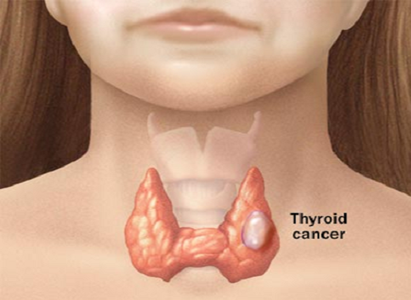
Most thyroid cancer patients do not present any obvious symptoms in early stage, but the hard and uneven lumps or nodules can be touched inside their thyroid tissues. Some patients may not develop any lumps, instead, would have the signs of metastases in neck, ribs and bones. It is possible for a patient to be diagnosed thyroid cancer if he develops nodules in thyroid when below mentioned symptoms occur.
1. Lump. Thyroid cancer, which does not present special symptoms in early stage, is inclined to develop in children and female adults. Over 95% patients who has a lump in front of neck should be alert, especially the ones developing the hard tumors that are isolated, irregular and with blurred edge and poor activity.
2. Hoarse voice. As thyroid tumor grows, it would press recurrent laryngeal nerve constantly causing hoarse voice or bucking in drinking water in thyroid.
3. Difficult breath. When a tumor develops big enough to press nerves, trachea or esophagus, can result in difficulty in breath or swallowing, radiated pain in ears and shoulders and so on.
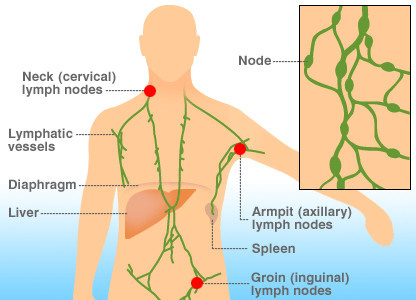
4. Swelling lymph nodes. The tumor would encroach on lymph nodes of neck as it increases and causes swelling lymph nodes in neck.

Clinical symptoms of thyroid cancer

1.Papillary adenocarcinoma of thyroid
Patients of papillary adenocarcinoma of thyroid would develop the lumps that are painless and would increase gradually while patients may have hoarse voice in various degrees. This kind of thyroid cancer normally is found unintentionally by patient or doctors that its diagnosed time is later than others. What is more, it is easily mistaken as benign lesion. Papillary adenocarcinoma patients do not present the symptom of change in thyroid functions, but hyperthyreosis can occur in some patients.
2. Follicular adenocarcinoma of thyroid
Majority of patients primarily have the lump of thyroid. The lump grows fast, is with blurred edge and rough surface and movable. When it encroaches on the tissues around thyroid and fixed down, then hoarse voice occurs in patients and some patients may have the symptoms of metastases.
3. Medullary cancer of thyroid
The patients of this kind of thyroid cancer mainly present the symptom of painless and hard nodules in first consultation with a doctor, besides that, they also have the symptom of local swelling lymph nodes.
4. Undifferentiated cancer of thyroid
1) No thyromegaly is found before onset in a large number of patients with this kind of thyroid cancer, and the progressive lump develops in the neck is hard and will grow rapidly.
2) Thyromegaly, which may accompany distant metastases. 3) A patient has been suffered from thyroid tumor for years and the tumor increases suddenly and rapidly and becomes hard.

Modern Cancer Hospital Guangzhou reminds you that, as the symptoms of thyroid cancer is not obvious, once above mentioned symptoms occur, a patient should go to hospital for examination and treatments.

Skin Cancer Symptoms

Skin Cancer Symptoms

Due to the living environment and working environment and other causative factors, the onset of skin cancer is increasing continuously. However, many skin cancer patients don’t know the symptoms very well. Which is not benefit to the early detection of skin cancer, said by experts from Modern Cancer Hospital Guangzhou.So what are the symptoms of skin cancer?
Skin Cancer Symptoms

Symptoms of Skin Cancer

1.Squamous cell carcinoma is often transformed by keratosis, leukoplakia and other precancerous diseases. It grows fast and forms ulcer in early stage. Some of the ulcers manifest in the shape of nodus or cauliflower and invades relative superficial level, and its basis is movable.Some manifest in as patelliform and invades into the in-depth obviously, and has a strong devastating power, often to bones. Squamous cell carcinoma often causes pyogenic infection companied with evil smelling, pain. Multiple areas of lymph nodes metastasis, huge squamous cell carcinoma on head of skin cancer patient, have relatively much purulent secretions and easily bleed; if metastasis occurs in the neck, then the fastest growing position shall be the squamous cells adhered to mucocutaneous skin, often mucosa patients easily emerge metastasis.
2.Basal cell carcinoma often has no symptoms in the first beginning, often causes stiff and plaque papule in early stage: some manifest verrucously uplift and then ulceration for ulcer lesion in irregular shape and with its margins uplifting and bottom uneven, which grows slowly; metastasis seldom occurs, often marginal translucency potential ulcer goes first and then gradually expands to the surrounded tissues, even organs, and finally becomes invasive ulcer.
3.Squamous cell carcinoma often occurs among people from the age of 30 to 50 years old, while basal cell carcinoma occurs to people above 50 years old. The former one grows faster in a very short period than the later one; it often occurs in lips, tongue, nose, cunnus, cross section of skin mucous membrance; the margin of ulcer elevates and features red and stiff, which manifesting as circular or cauliflower-like, and there is remarkable inflammation reaction surrounded and multiple area of lymph gland enlargement; the later one often occurs in eye orbitalis, endocanthion, nose, cheek, forehead, back of hand; the margin of ulcer manifests wax-like or nodiform, enrolling, and features color of black, and there is little or no inflammation reaction and seldom metastasis, and it mainly invades toward in-depth tissue.

Clinical Symptoms of Skin Cancer

1.Color: most skin cancers feature unevenly mixed brown, black, red, white or blue; color of nevus change; People shall be alert to this;
2.Margin: often irregular and serration-toward changing. This is usually due to tumor transferring to surrounding tissue or its own cataplasis.
3.Surface: not smooth: rough with squamous or lamellar peelings; sometimes accompanied with effusion or bleeding, and the foci can be higher than the skin surface;
4.Skin surrounded around the foci may emerge edema or lose its original skin gloss or turn to white or grey;
5.bnormal sensation: itchy, burning pain or tenderness for local parts.

Experts of Modern Cancer Hospital Guangzhou remind that if the above-mentioned symptoms appear, go to standardized hospital for timely diagnosis and treatment and try do not delay the treatment and degrade the condition.

Brain Cancer Symptoms

Brain Cancer Symptoms

brain tumor symptoms, brain cancer symptoms,symptoms of brain tumor,brain tumor signs and symptoms

With another name of intracranial tumor, brain cancer actually includes the primary tumor originates from brain parenchyma and secondary brain cancer, the metastases from other parts of body. Its symptoms vary as individual condition changes. Specialist from Modern Cancer Hospital Guangzhou would explain the causes and common symptoms of brain cancer.
What Cause Brain Cancer?

1. The radiation and electric waves from mobile phone and computer can promote the canceration of cells.
2. The occurrence of brain cancer is related to the contact of insecticide, solvent, dyes and formaldehyde according to studies. Additionally, a pregnant woman takes alcohol or hair dye before delivery would increase the risk for babies to develop neuroblastoma.
3.A tumor may develop in brain just because of environmental trauma irritating brain and scar tissues of brain. This traumatic tumor mostly occurs on a base of damages in cerebral dura mater and arachnoid. External injure of brain can stimulate the growth speed of existing brain cancer besides.
4. Radiation. The long-term exposure to radiation is another cause of brain cancer.

What Are the Common Symptoms of Brain Cancer?

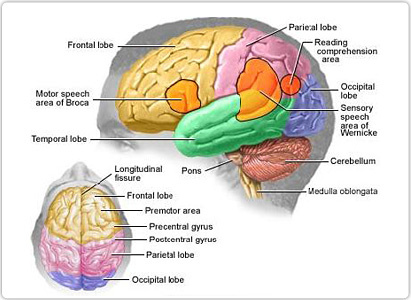
1. Headache is one of the most obvious symptoms of brain cancer. It normally occurs in 4 or 5 am when the patients are in deep sleep. Patients often wake up due to headache, with sleep deeper, headache more server.. The headache disappears gradually at 8 or 9 o’clock after getting up.
2.Spraying vomiting. Compared to vomits that are caused by gastric diseases, the vomit occurs on brain cancer normally shows no symptoms like stomach stuffiness and distension, nausea and abdominal pain or diarrhea. Moreover, the vomit is not related to foodintake, it is just a sudden spraying vomit soon after headache, which is because of increased intracranial pressure stimulating the vomiting centre of medulla.
Besides, abrupt twitch, single exophthalmos, deafness in one ear, hemiplegia, lowered eye vision, diplopia, difficulty in swallow and sustaining body balance, dizziness, are also the symptoms of brain cancer.

Specialist from Modern Cancer Hospital Guangzhou reminded that, brain cancer symptoms vary as per different individual condition, once any suspected symptoms occur, the patient should have related examinations and treatments in regular hospital in time.

Prostate Cancer Symptoms

Prostate Cancer Symptoms

prostate cancer, symptoms of prostate cancer

In early stage of prostate cancer, there is no special clinical manifestation, while as time goes by, prostate cancer shall manifest many kinds of symptoms and these symptoms would get worse gradually. To sum up, there are mainly three aspects as follows:

Symptoms of Prostate Cancer

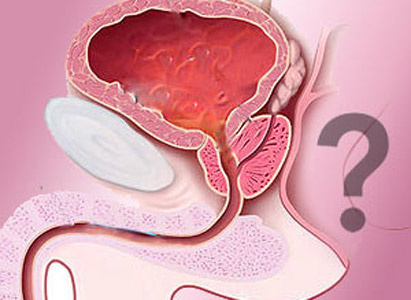
Urination obstruction: because the tumor’s volume increases gradually so as to squeeze urethra, so patients with prostate cancer will suffer from increasingly getting-worse symptoms like dysuria, frequent urination or urination urgency, or other stimulation symptoms like odynuria. Part of advanced stage prostate cancer patients would suffer from urinary retention because they are completely unable to urinate.
Other tissues to be involved in: when prostate cancer invades adjacent or surrounded tissues or organs, a series of local infiltration symptoms shall be caused, for example, tumor invading nerve and cavitas pelvis would cause pain in lower abdomen as well as in perineum or even in testis, or bearing-down pain in scrotum or lumgago; tumor invading urinary bladder, seminal vesicle, would cause these symptoms like bloody urination, hemospemia; tumor invading ureter would cause hydronephrosis; if urethra is invaded, corresponding symptoms like urine retention or urinary incontinence and so on are caused.
Tumor metastasis: it is easy for prostate cancer to spread to skeleton, before skeleton being destroyed, prostate cancer patients shall suffer from great pain, and meanwhile bear the added risk of bone fracture. If bone marrow is damaged, the immunity degrade or anaemia would appear; tumor spreading to blood vessels or lymph node surrounding, circulation of blood or lymph fluid would be obstructed or blocked so that the limbs or perineum of patients shall suffer from edema; tumor spreading to lung, would cause chest pain, pulmonary infection, respiration difficulty, coughing up blood and so on; tumor spreading to liver, would cause discomforts to liver area, jaundice and so on; tumor spreading to brain, would cause headache, dizziness, vomiting, unconsciousness and so on; advanced stage prostate cancer patients may suffer from pleural fluid, ascites, swollen all over the body and so on.

Experts of Modern Cancer Hospital Guangzhou warmly remind: if prostate cancer similar symptoms appear, go to standardized hospital for further examinations and timely treatments at the first time.

Ovarian Cancer Symptoms

Ovarian Cancer Symptoms

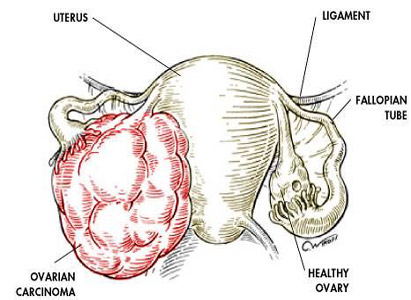
Ovarian cancer grows fast and is easy to spread. Usually it has no obvious early symptom and is often discovered accidentally in gynecological examinations or when it become palpable in the abdomen after growing to certain size and reaches out of the pelvic cavity, or when complications are detected. Ovarian cancer usually has reached its late stage when discovered. Symptoms of ovarian cancer vary according to the size of the cancer, time of occurrence, and whether there are complications or not. Then what are the symptoms of ovarian cancer?
Ovarian Cancer Symptoms

Common symptoms of ovarian cancer

1. Discomfort in lower stomach or sinking pain in one side of the lower stomach happen occasionally in the early stage.
2. Abdominal distension: as the cancer grows fast, abdominal distension, lump and ascites may occur in a short time. Small tumors can only be detected in pelvic examination. As they become bigger gradually and reach out of the pelvic cavity, they will be palpable on the stomach.
3. Compression: When the tumor infiltrates the surrounding tissues or compresses the nerves, stomachache, waist pain or sciatica will be caused. When it compresses the pelvic vein, edema of the lower extremities will occur. Big tumor can compress the bladder causing frequent urination, difficult urination and urine retention. When it compresses the rectum, difficult defecation will be caused, while compressing to the gastrointestinal tract can cause symptoms of digestive problems and compressing to the diaphragm can cause difficult breathing and failure to lie flat.
4. Due to the fast growth of the tumor, innutrition and marasmus will occur and results in dyscrasia.
5. Related symptoms caused by cancer transfusion: Malignant ovarian cancer seldom causes pain. However, if the tumor cracks down, bleeds or is infected, or when it infiltrates and compresses the nearby organs, stomachache and waist pain will be caused.
6. If both the ovaries are damaged by cancer tissues, menstrual disorder and amenorrhea will be caused, while lung metastasis will cause cough, hemoptysis and hydrothorax and bone transfusion can cause local pain in the transferred lesion. Intestinal transfusion can cause blood in stools, more seriously, intestinal obstruction.
7. If it is functioning tumor, related symptoms of excessive estrogen or androgen will occur, such as early dysfunctional uterine bleeding, vaginal bleeding after menopause or masculine signs. Advanced ovarian cancer patients will have symptoms of obvious marasmus, severe anemia or other symptoms of cachexia. During gynecological examination, scattered solid nodules and lumps can be touched in both sides of the posterior fornix of vagina. They are solid, fixed, and rugged, usually accompanied with bloody ascites. Sometimes, swollen lymph nodes are palpable in groin, armpit, or supraclavicular.

Symptoms of Early Ovarian Cancer

1. Edema of vulvae and lower limbs: with ovarian cancer enlarging, pelvic vein will be oppressed and that will result in poor blood flow and preventing return flow of lymph, so that edema of vulvae and lower limbs will be caused.
2. Scanty menstruation or menostasia: the majority of patients with ovarian cancer have no change in their menstruation, but with cancer enlarging, cancer cells will destroy the normal ovarian tissues, leading to ovarian dysfunction, and then scanty menstruation or menostasia will be caused.
3. Abdominal and low back pain: if adjacent tissues are infiltrated and adhered by ovarian cancer, it can easily cause vague and dull pain of low back and abdomen.
4. Abdominal distention and loss of appetite: if ovarian tumors oppress and pull surrounding ligaments, in addition to stimulation of ascites, similar symptoms of gastrointestinal disease will be caused.
5. Sex hormone disorders: when some tumors secrete excess estrogen, sexual precocity, menstrual disorders or postmenopausal vaginal bleeding can be caused; if it is testicular mother cells cancer, male characteristics will appear due to excessive androgens.

Symptoms of Advanced Ovarian Cancer

1. Sense of abdominal distension: due to rapid growth of tumor, abdominal distention, abdominal lump and ascites can be developed within a short term. If tumor is small, it can be found only by pelvic examination, but with tumor gradually growing beyond the pelvic cavity, abdominal lump can be palpated.
2. Menstrual disorders and vaginal bleeding: if bilateral ovary cancer is damaged by cancer tissue, menstrual disorders and vaginal bleeding can be caused.
3. Compression symptoms: when tumor infiltrates surrounding tissues or compresses nerves, abdominal pain, low back pain and sciatica can be caused; if it compresses the pelvic veins, edema of lower limbs can appear; If tumor compresses bladder, frequent urination, dysuria, and urinary retention can be caused; If it compresses rectum, difficult defecation can occur; If it compresses gastrointestinal tract, digestive tract symptom can be caused; If tumor compresses diaphragm , dyspnea and inability to lie down can occur.
4. Dyscrasia: due to the rapid growth of tumor, malnutrition and physical emaciation can be developed, which results in formation of dyscrasia.

5. Metastases: pulmonary metastasis can result in dry cough, hemoptysis, pleural effusion; bone metastasis can cause localized severe pain; intestinal metastasis can cause hematochezia, in severe cases, it can result in intestinal obstruction.

Oral Cancer Symptoms

Oral Cancer Symptoms

Oral cancer is a common malignant tumor of the oral cavity. Early symptoms of oral cancer are more like oral ulcer, thus a lot of early stage oral cancer patients may easily mistake oral cancer as oral ulcer or other oral diseases, so that miss the best time for treatment. In order to guarantee your own healthy, people somehow should know cancer suspicious symptoms.
Oral Cancer Symptoms

Symptoms of oral cancer

1. Pain: in early stage there will be no pain or just local abnormal friction feeling; if oral ulcer appears, patients would feel obvious pain. As tumor invades to adjacent nerves, it causes ear pain or sore throat, etc.
2. Color change: if mucous membrane of oral cavity becomes white, brown or black, it means that mucosal epidermal cells have changed. Especially if oral mucosa becomes rough, thickening or show callosity, and even manifests white spotting, erythema, then it probably has already produced canceration.
3. Unhealed ulcer: the course of oral ulcer usually won’t exceed two weeks; if burning sensation and other symptoms such as pain have lasted more than two weeks without any sign of recovery, you should be alert to the possibility of oral cancer.
4. Lump: there is lump inside the mouth or in neck for unknown causes (when touch it, there will be not necessarily pain). Oral cancer often spread to adjacent lymph nodes of neck. Sometimes the primary lesion is very small, even the symptoms are not obvious, but the neck lymph nodes appear metastatic cancer cells. Therefore, if neck lymph node suddenly enlarges, oral check is required.
5. Oral cavity often appears repeated and unexplained bleeding with difficulty in mouth close or open. Bleeding is a big risky sign of oral cancer. Because slightly touch on the tumor grew in the oral cavity will lead to bleeding. The tumor may also invade masticatory muscles and mandibular joint, which would lead to opening and closing movement restriction or difficulty of mouth.
6. Jawbone and teeth: localized swelling of jawbone would result in facial asymmetry. Patients who suddenly suffer from loosen or fallen off teeth, poor dental malocclusion when chewing food, denture discomfort (if any), numbness or pain of oral cavity and pharynx, and with no improvement after general symptomatic treatment, need to be alert of oral cancer.
7. Tongue movement and perception: the tongue activity is restricted, which results in difficulty in chewing, swallowing or speaking, unconsciousness or numbness of tongue hemi, all these need to be identified with definitive reasons.
In addition, some other symptoms like facial nerve abnormalities, numbed sensation, unexplained meatus bleeding, should also be identified with causes or for early treatment.

Experts of Modern Cancer Hospital Guangzhou remind that the above symptoms are common symptoms of oral cancer, but they cannot completely determine whether you have cancer or not, because oral inflammation would also cause these symptoms. No matter how, it is the best to go to hospital timely for definitive diagnosis and receive corresponding treatments.

Stomach Cancer Symptoms

Stomach Cancer Symptoms

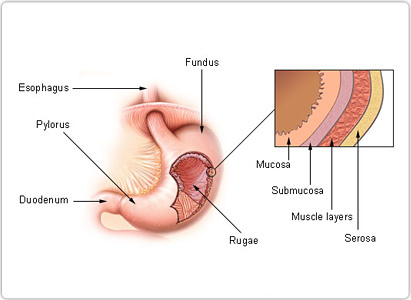
Stomach cancer is a malignant tumor with high incidence while its death rate is increasing day by day. This phenomenon can attribute to the indefinite early symptoms, for which causing the late diagnosis and treatments. Then what are the more obvious symptoms present in early stomach cancer?
stomach cancer, stomach cancer symptoms

Symptoms in Early Stage

1. Repletion and upset of upper abdomen. This symptom would go through the whole course of stomach cancer. As a most common sign of early stomach cancer, repletion and upset in upper abdomen without obvious cause would develop in over 70% patients from early stage. It mostly occurs when patients are quiet and disappears once patients are in activity or distracted. And even diet regulation can do little effect on this symptom.
2. Sour regurgitation and burning sensation in stomach. Early stomach cancer patients would complain of stomach upset and the vague aching pain can relieve through medicine. Some cases develop the signs like abdominal distention and belching after meals, which may be diagnosed mistakenly as gastritis by doctors.
3. Symptoms like loss of weight and lack of power occur. The development of these symptoms is because of loss of appetite in a short time. Though loss of appetite is one sign of early stomach cancer, patients won’t note it highly as it doesn’t show any pain in stomach.
If the patient has been suffering from stomach cancer for a long time, he may occur bleeding in enteron during daily life. The most common symptoms of that are vomiting of blood, black stool and fecal occult blood presents positive.

Stomach Cancer Symptoms in Late Stage

Actually some symptoms of late stomach cancer are the amplification of early stomach cancer symptoms, which namely is predictable.
1.Being thin and weak, anemia.
2.A long-term upper abdomen pain is also a symptom that would appear in stomach cancer patients in late stage, which is difficult to be relieved.
3.With a high probability to spread, stomach cancer in late stage can directly extend to adjacent pancreas, liver, transverse colon and other organs. It also can travel to the lymph nodes around stomach or distant lymph nodes , for example, some hard and stable lymph nodes can be touched in left supraclavicular region. When it transfers to liver, lung, brain, bones and ovaries, etc., the patient may develop ascites, jaundice and swelling of liver. Perforation, bleeding and necrosis of stomach and other complications are found in serious cases even. Besides, stomach cancer in late stage may present pain in upper abdomen, loss of appetite and weight, lack of power, vomit, black stools or positive fecal occult blood and so no.
4.Other symptoms
The stomach cancer in cardiac part would present a feeling that cannot swallow smoothly, which would further develop to swallowing difficulty and regurgitation of food. Acute gastric perforation aroused from stomach cancer would show the symptoms like pain in whole abdomen and peritonitis. Several cases may have diarrhea, constipation, lower abdomen upset and fever and so on.

Stomach cancer brings patients agony that once related symptoms are found, the patient should come to regular hospital for examination and treatments right away. Timely treatments can effectively improve the life quality and extend life span of patients.

Leukemia Symptoms

Leukemia Symptoms

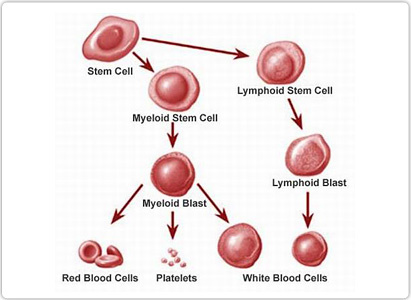
Patients with early leukemia may not feel any discomfort and they often cannot identify the symptoms of its different types, thus many of them miss the optimum time for treatment. So what are the symptoms for each type of leukemia?
leukemia, symptoms of leukemia

Symptoms of Chronic Leukemia

1. In the early stages of chronic leukemia, symptoms may not appear for a long time, thus the patients cannot feel any discomfort. Doctors will usually find abnormal blood picture or splenomegaly (enlarged spleen) during a routine checkup or examinations for other diseases and then the patients are diagnosed with chronic leukemia.
2. When symptoms do appear, they are generally mild at first and progress gradually. Common symptoms of chronic leukemia may include: fatigue, low heat, excessive sweat or night sweats, weight loss for unknown reason, and hyperthyroidism, in addition, left upper abdominal distension and sensation of fullness after eating (due to enlarged spleen).
3. Patients with chronic leukemia often manifest as pale complexion, pale lips, and splenomegaly which is the most obvious symptom and which often has reached umbilical plane when patients visit a doctor, furthermore, tenderness in the lower part of sternum. Patients with advanced chronic leukemia will appear tiny red spots under the skin, mucous, and painless mass in the tissues of eye sockets and skull.

Symptoms of Acute Leukemia

1. Anemia: hematopoietic abnormalities of bone marrow leads to low number of both red blood cells and hemoglobin, thus anemia will be developed and half of the patients can develop severe anemia.
2. Fever: leukemia itself can cause fever, furthermore, due to decreased immunity, once pathogens invading body, thus it tends to cause infection and results in fever.
3. Bleeding: due to stasis and infiltration of the large number of leukemia cells in blood vessels, low number of platelets, coagulation abnormalities and infection, patients will appear scattered red spots, purpura or petechia from head to foot, nosebleed, gingival bleeding or excessive menstruation, furthermore, blurred vision resulting from fundus hemorrhage, coma and even death due to intracranial hemorrhage can be caused.
4. Gastrointestinal failure: it can result from agents used in chemotherapy and radiation therapy which will affect gastrointestinal function.
5. Hyperuricemia: it can be caused by chemotherapy, radiotherapy and application of cortical hormone, what’s more, with high concentration of uric acid supersaturated soon and precipitated, oliguria and anuria will be caused by extensive damage of kidney and the formation of uric acid stones.

Symptoms of Leukemia in Children

Symptoms of early leukemia in Children are pale complexion, fatigue, lassitude, loss of appetite, nasal bleeding or bleeding gums, etc.; few patients firstly manifest as fever and bone joint pain which is similar to rheumatic fever.
1. Anemia: it appears early and aggravates progressively, besides, it manifests as pale complexion, weakness, shortness of breath after activity, and tachycardia (too fast heartbeat).
2. Fever: it often occurs with uncertain types and mostly is irregular fever with no shivering. Leukemia fevers mostly manifest as low heat and antibiotic treatment is ineffective; secondary infections (respiratory tract infections, urinary tract infection, etc.) mostly are high heat.
3. Bleeding: main reasons of bleeding are firstly, leukemia cell infiltration thus bone marrow megakaryocyte will be inhibited, causing low number of platelet; secondly, impaired liver function causes insufficient production of fibrinogen, thrombinogen and accelerin; thirdly, capillary permeability increases. Most of bleeding occurs in the skin and mucous membrane, manifesting as purpura, petechia, nosebleed, gingival bleeding, gastrointestinal hemorrhage and hematuria, in addition, occasionally intracranial hemorrhage which is one of the important causes of death.

To know and identify the symptoms of leukemia can help patients detect it early and then get treatment in time.

Cervical Cancer Symptoms

Cervical Cancer Symptoms

Cervical cancer is one of the common malignant cancers among females. It is the only cancer that with known cause. That is human papillomavirus(HPV),which can spread directly through dermal contact and has an incubation lasting for more than ten years. Cervical cancer is preventable and detectable. Learning about cervical cancer symptoms and undergo screening regularly can help discover cervical cancer and take up treatment as early as possible.
cervical cancer, cervical cancer symptom, cervical cancer treatment, Modern Cancer Hospital Guangzhou

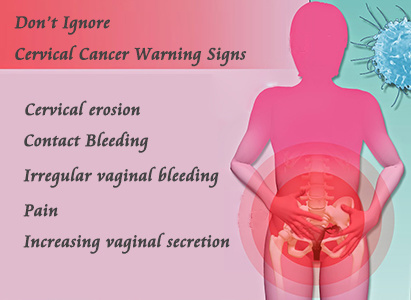
Signs of cervical cancer:

1. Cervical erosion
Cervical erosion: cervical cancer patients usually are accompanied with cervical erosion, and severe cervical erosion is both main factor and symptom of cervical cancer.
2. Contact bleeding
Contact bleeding: contact bleeding is the most prominent sign of cervical cancer, which can be found in the form of colporrhagia in 70%~80% of cervical cancer patients. It often appears with fresh blood in vaginal secretion during sexual activities, gynecological examinations, or making great effort when loosening stools.
3. Irregular vaginal bleeding
Irregular vaginal bleeding: Menstrual period come back to old women years after menopause. As there will be no symptom like stomachache or waist pain, and the bleeding amount is usually low, it is easily ignored. However, irregular vaginal bleeding is early sign of cervical cancer, which has called many elder patients’ attention to go to hospital and thus helped them with early diagnosis and treatment.
4. Pain
Pain: pain usually occurs in the lower stomach or lumbar-sacral area, sometimes in the upper stomach, thigh and hip joint. It becomes severer in menstrual period, defecation or sexual activities. Especially when the inflammation spreads backwards to the utero-sacral ligament or along the bottom of broad ligament, chronic inflammation of connective tissue next to uterus is formed and cervical cardinal ligament thickens, the pain will become even severer. When touched in the cervix, patients will feel pain in the iliac fossa and the lumbar-sacral area, while some other patients can even have symptoms like nausea.
5. Increasing vaginal secretion
Increasing of vaginal secretion: Clinically, about 75%~85% of patients have various degrees of vaginal secretion increase. Most of them appear as increasing of leucorrhoea, which later is accompanied with smell and color changes. Due to the stimulation of the lesion, cervical glands becomes active in its secretion function and produce mucoid leucorrhoea. The abnormalities of the leucorrhoea, including amount increasing and characteristic changing, are early signs of cervical cancer.

Experts from Modern Cancer Hospital Guangzhou remind that, if you have above symptoms, go to the hospital timely for examination and treatment.

2017年3月2日星期四

2017年大马“癌症治疗”系列巡回讲座会

2017年大马“癌症治疗”系列巡回讲座会

粒子刀是目前国际医疗界对手术、外放疗的不足而新发明的一种微创治疗方法。通过125I粒子不断向肿瘤释放出的γ射线,直接精准杀灭癌细胞,对肿瘤起到内放射治疗作用,达到像手术刀切除一样的效果。本次巡回讲座会,我们邀请到英国皇家马斯登癌症中心归国教授曹春作主题为“粒子治癌”的演讲。会后,曹教授将会为患者提供免费咨询。

讲座信息

1、吉隆坡
预约参加日期: 2017年3月11日
时间: 2:00pm-6:00pm
免费咨询电话: 010 206 6616
地点:马华大厦(6楼会议室)
2、怡保
预约参加日期: 2017年3月12日
时间: 2:00pm—6:00pm
免费咨询电话: 010 206 6616
地点: Syuen Hotel(4楼会议室)
3、马六甲
预约参加日期: 2017年3月13日
时间: 7:00pm—10:00pm
免费咨询电话: 010 206 6616
地点:Ramada Plaza Hotel (2楼会议室)
4、新山
预约参加日期: 2017年3月14日
时间: 7:00pm—10:00pm
免费咨询电话: 010 206 6616
地点: Berjaya Waterfront Hotel (6楼会议室)
5、古晋
预约参加日期: 2017年3月15日
时间: 7:00pm—10:00pm
免费咨询电话: 010 206 6616
地点:Hilton Hotel Kuching(lobby)
6、沙巴
预约参加日期: 2017年3月16日
时间: 7:00pm-10:00pm
免费咨询电话: 010 206 6616
地点:Sky Hotel (1楼会议室)
7、槟城
预约参加日期: 2017年3月17日
时间: 7:00pm-10:00pm
免费咨询电话: 010 206 6616
地点:G Hotel(2楼Salon 2)

主办单位:

圣丹福广州现代肿瘤医院(吉隆坡咨询中心)

协办单位:

中国博爱国际癌症慈善基金会

讲座会主题:

粒子治癌

讲座会亮点:

1. 国际权威肿瘤专家亲临现场
2. 现场免费咨询教授
3.了解国际治癌新技术粒子刀
4. 赠送抗癌资料和抗癌食谱一册

讲座会适合对象:

1、癌症患者
2、癌症患者家属
3、对预防癌症感兴趣者

主讲专家介绍

本次大马癌症治疗巡回讲座会邀请到英国皇家马斯登癌症中心归国教授曹春亲临现场,为广大肿瘤患者及其家属详细介绍国际治癌新技术粒子刀。如果想现场咨询的患者或家属,请携带医药报告,比如:PET/CT、SCAN/MRI等,曹春教授将会给你更全面的治疗建议。
曹春
圣丹福广州现代肿瘤医院肿瘤专家
英国皇家马斯登癌症中心归国教授
中华医学学会会员
第二十一届世界抗癌大会会员
中国肿瘤临床研究协会会员
从事内科、中西医结合工作20余年,在英国皇家马斯登癌症中心工作多年,具有扎实的理论基础和丰富的临床经验。擅长运用生物治疗、基因治疗诊断和治疗各种肿瘤,以及恶性血液系统疾病等。回国一直致力于(中新合资)圣丹福广州现代肿瘤医院肿瘤临床研究工作,主要服务于沙特阿拉伯、泰国、菲律宾、马来西亚等多个国家的癌症患者,并以专业的诊疗水平和慈悲的医者仁心在患者间赢得极好口碑。此外,在国家核心医学期刊发表学术论文50余篇。

Symposium Series on Cancer Treatment in Malaysia, 2017

Symposium Series on Cancer Treatment in Malaysia, 2017

Particle Implantation is a brand-new minimally invasive treatment against deficiencies of the international medical surgery and radiotherapy nowadays. The implanted particles will keep emitting γ-ray within the tumor, targeting to the cancer cells accurately, just as surgical excision does. Prof. Cao Chun, a returned expert from the Royal Marsden Hospital (England), will be invited to explain how to treat cancer with particle implantation. Free on-site consultation is available after the symposium.

Information

1. Kuala Lumpur
Online AppointmentDate: March 11, 2017
Time: 2:00pm—6:00pm
Free Reservation: 010 206 6616
Venue:Wisma Mca (Sixth floor meeting room)
2.Ipoh
Online AppointmentDate: March 12, 2017
Time: 2:00pm—6:00pm
Free Reservation: 010 206 6616
Venue: Syuen Hotel (Fourth floor meeting room)
3.Malacca
Online AppointmentDate: March 13, 2017
Time: 7:00pm—10:00pm
Free Reservation: 010 206 6616
Venue: Ramada Plaza Hotel (Second floor meeting room)
4. Johor Bahru
Online AppointmentDate: March 14, 2017
Time: 7:00pm—10:00pm
Free Reservation: 010 206 6616
Venue: Berjaya Waterfront Hotel (Sixth floor meeting room)
5.Kuching
Online AppointmentDate: March 15, 2017
Time: 7:00pm—10:00pm
Free Reservation: 010 206 6616
Venue: Hilton Hotel Kuching(lobby)
6.Sabah
Online AppointmentDate: March 16, 2017
Time: 7:00pm—10:00pm
Free Reservation: 010 206 6616
Venue: Sky Hotel (First floor meeting room)
7.Penang
Online AppointmentDate: March 17, 2017
Time: 7:00pm—10:00pm
Free Reservation: 010 206 6616
Venue: G Hotel (Second floor, Salon 2)

Organizer:

St. Stamford Modern Cancer Hospital Guangzhou (Kuala Lumpur Office)

Co-organizer:

Cancer Charity Foundation of China Boai Group

Theme:

Particle Implantation for Cancer

Highlights of Symposium

1.The presence of international authoritative oncologists
2. Free on-site consultation
3. To know about the latest international anticancer technology—particle implantation
4.Latest anticancer information publicity material and anticancer recipe for free

Speaker Introduction


Prof. Cao Chun, a returned expert from the Royal Marsden Hospital(England), will be invited to introduce the new anticancer technology–Particle Implantation. If you want to have on-site consultation, please bring your medical reports, such as PET/CT, SCAN/MRI, etc., Prof. Cao Chun will give you comprehensive treatment suggestions.

2017年2月28日星期二

Lymphoma Symptoms

Lymphoma Symptoms

lymphoma, symptoms of lymphoma

Lymphoma is a malignancy of immune system can develop in any part of body. It usually appears as a solid tumor in the organs rich in lymphatic tissues and tends to encroach on lymph nodes, tonsil, spleen and bone marrow. It is easily ignored because of insidious symptoms. But the survival rate can highly improved if its symptoms are noted in early stage and take treatments in time. Therefore, it is necessary for us to know some symptoms of lymphoma.
1、 The most typical symptoms of lymphoma are painless superficial lymph nodes, which grow gradually with smooth surface and in the hardness like nasal tip. Swelling lymph nodes are most commonly occurring in neck and supraclavicular regions, after that are in armpits and inguens. Some cases would mainly present the symptom of swelling lymph nodes deep in body, for example, swelling lymph nodes in mediastinum, abdominal cavity and pelvis. Those cases come with an insidious onset that when the patients are diagnosed lymphoma, the swelling lymph nodes deep in body normally are every obvious to note.
2、Progressive swelling lymph nodes may affect or press on tissues or organs around and cause correspondent symptoms. For example, when superior vena cava is pressed by the swelling lymph nodes in mediastinum would block blood backflow to cause swollen face and neck, chest distress, chest pain or difficult breath and so on. If the swelling lymph nodes of pelvis and abdominal cavity press on gastrointestinal tract, ureter or bile ducts etc. would lead to intestinal obstruction, hydronephrosis, jaundice, which may also come with abdominal pain and distention.
3、Expect lymphatic system, lymphoma can also encroach on other organs and present correspondent symptoms. For instance, gastrointestinal lymphoma would show the symptoms like abdominal pain, gastrointestinal ulcer, bleeding and oppression etc., which are same as stomach diseases and intestinal cancer do. Lymphocytoma cutis is normally mistaken as psoriasis, eczema and dermatitis. If the tumor develops in brain, headache, blurring vision, disturbance of speech, unconsciousness, and change in disposition, dyskinesia of limbs or whole body, and even paralysis in severe cases. When tumor invades bones can lead to pain or fracture of bones, and if in nasopharynx may develop symptoms like nose obstruction, running nose, nasal bleeding, which are similar to the ones of nasopharyngeal cancer.
4、Lymphoma is a general disease, except the above symptoms, fever, night sweat, acratia, emaciation, loss of appetite, rash, itching, anemia and other systematic symptoms may develop in more than 50% patients. From this, superficial lymphoma comes with obvious symptoms that are easy to find early. But for the lymphoma develops deep in body, it is difficult to note because concerning symptoms would occur when the tumor is large enough.

Specialist from Modern Cancer Hospital Guangzhou reminded that, some diseases may also present the symptoms mentioned above, a patient may not suffer from lymphoma once these symptoms occur and should go to hospital for examinations in time. Then if a patient is diagnosed lymphoma, timely treatments can perform to improve therapeutic effect and living quality.

Esophageal Cancer Symptoms

Esophageal Cancer Symptoms

Esophageal cancer is a malignant tumor formed by the abnormal proliferation of the esophageal squamous epithelium or glandular epithelium. As one of the common malignant tumors in the digestive system, the incidence of esophageal cancer has been increased year by year. What are the symptoms of esophageal cancer and how to detect esophageal cancer as early as possible?
Esophageal Cancer Symptoms

Early stage esophageal cancer has no obvious symptoms but shows some nerve irritations occasionally. With the development of the disease, the frequency of esophageal cancer symptoms will increase, which including foreign body sensation, difficulty and pain in swallowing. However, since the early symptoms of esophageal cancer are not obvious, it is easy to be overlooked and then leads to delayed treatment.

Five common symptoms of esophageal cancer

Symptom 1: Discomfort or mild pain in the retrosternal region
This symptom does not occur continuously, but happen intermittently and after exertion or fast eating. This is because the esophagus is peristaltic any time, so the symptom occurs only when it creeps to the lesion.
Symptom 2: Foreign body sensation during swallowing
During the swallowing process, it will probably produce foreign body sensation when food, especially hard and dry food, goes through the lesion area. And this sensation usually happens in a fixed site. However, it is easily overlooked because of the characteristic of mild symptoms and intermittent occurrence.
Symptom 3: Slowly swallowing and detained feeling
The symptom mainly manifests a detained feeling when patients are swallowing. It doesn’t occur continuously either, but clear up gradually with the development of the lesion.
Symptom 4: Chest stuffiness and tightness
This symptom is often accompanied by throat dryness. Patients mainly complain of chest stuffiness and tightness, which feels like there are some objects clogging in the chest. It will be more obvious when patients are swallowing, while does not affect their normal life and work.
Symptom 5: Distension and mild pain in the upper abdomen, precordial region and xiphoid process
This symptom is more obvious when patients are ingesting dry and hard food, while it is not occurred every time but intermittently.

Experts from Modern Cancer Hospital Guangzhou remind that if any suspected esophageal cancer symptoms is found, one should go to a regular hospital for examination promptly.